Elden Ring Nightreign review — pressure rewards a real team
Our Elden Ring Nightreign review explores its three-day co-op runs, compressed buildcraft, excellent bosses and deep dependence on coordinated teammates.

 8.0
8.0 Kaizensclan verdict
Our Elden Ring Nightreign review explores its three-day co-op runs, compressed buildcraft, excellent bosses and deep dependence on coordinated teammates.
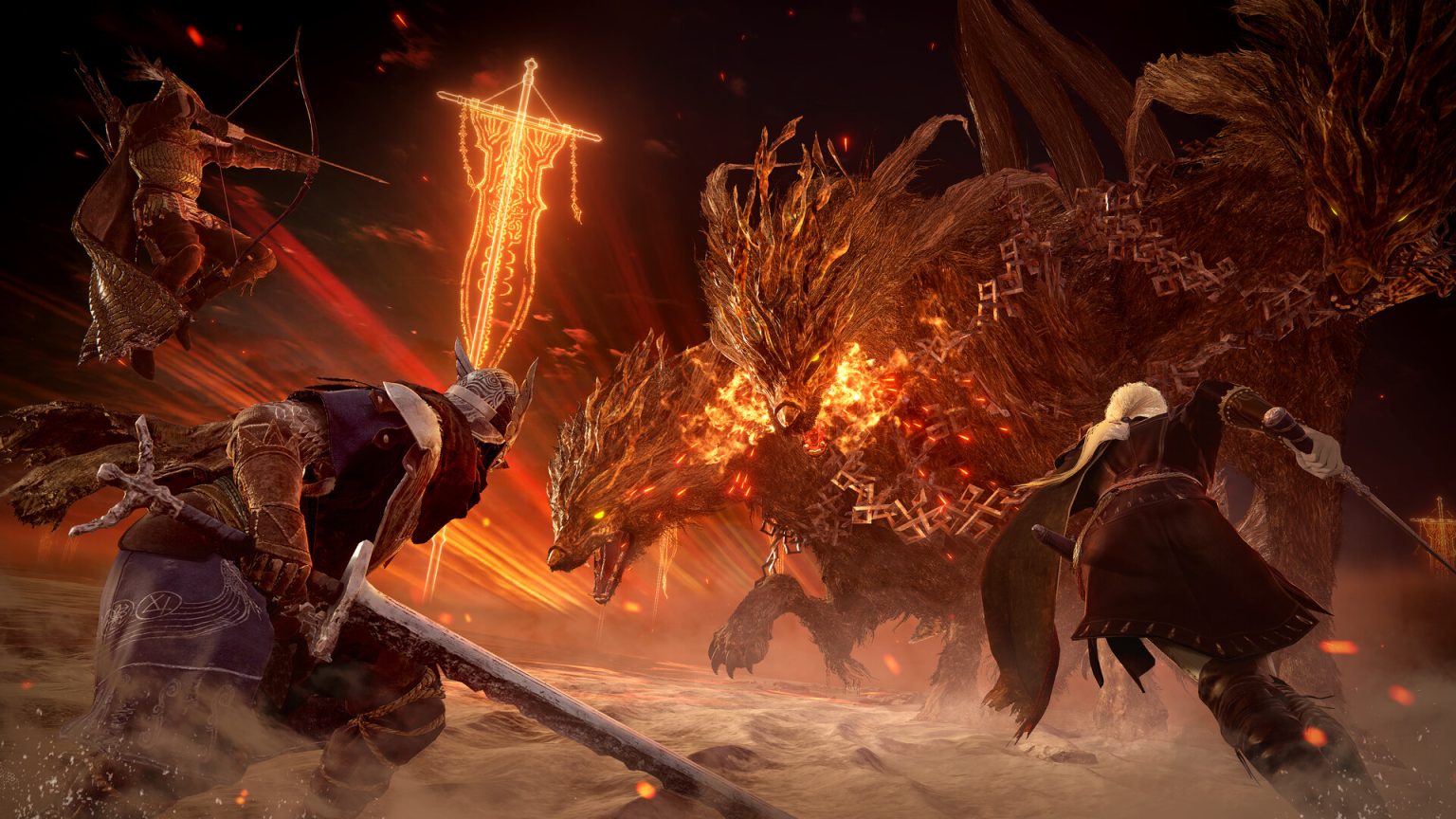
This Elden Ring Nightreign review finds FromSoftware turning familiar combat into a cooperative time-management problem. Three players loot, level and choose routes while a shrinking danger zone pushes them toward nightly bosses and a final Nightlord. The compression creates urgency and remarkable team recoveries, but it also makes communication and matchmaking quality more important than they were in Elden Ring.
Review methodology: Kaizensclan did not independently complete Nightreign runs. The zero-hour disclosure separates this research-based assessment from a hands-on review. Systems, supported modes and release information were checked against the official Steam listing and Bandai Namco materials.
Elden Ring Nightreign compresses a build into minutes
A Nightreign expedition unfolds across three in-game days. Teams enter Limveld at low level, move between points of interest, defeat enemies for run-specific power and face a boss when night closes in. The final day leads to the selected Nightlord. There is no time to clear everything, so navigation becomes a statement about the build the team thinks it needs.
That pressure transforms familiar Elden Ring decisions. A church may increase flask capacity, a mine can improve weapons and a field boss offers a high-risk reward. The correct route depends on the Nightfarers, current drops and final target. Efficient teams communicate priorities instead of following whichever marker appears closest.
Loot is accelerated to fit the schedule. Weapons arrive with levels and passive effects, while upgrades happen quickly enough to keep the team moving. The compromise is interface pressure: reading several items during a shrinking route can feel like administration performed at sprint speed.
Persistent relics shape future attempts without eliminating the importance of execution. They provide direction, not a guarantee. Players who enjoyed the discovery and deliberate boss learning in our Elden Ring review should expect a much tighter loop with less room for solitary wandering.
Nightfarers make cooperation legible
Instead of a fully freeform character creator, Nightreign uses distinct heroes with recognisable strengths, skills and ultimate arts. That choice makes team composition readable before the run begins. A group can identify mobility, ranged pressure, defence or revival tools without inspecting another player’s entire build.
Revival is an active team problem. Downed allies can be restored by attacking the state around them, forcing the surviving players to balance boss pressure against rescue. Multiple knockdowns increase the cost. A successful recovery feels earned because it requires positioning and timing, not an automatic token.
Pings support basic route communication, but voice chat or an established group improves the experience substantially. Random teammates may pursue different objectives, ignore a useful upgrade or enter a fight before everyone arrives. The game can communicate possibilities; it cannot manufacture agreement.
This dependency is both the point and the limitation. The coordinated highs resemble the emergency problem-solving praised in our Helldivers 2 review. The low points are also familiar: a good personal performance may not recover a team whose priorities never aligned.
Bosses thrive under the shorter format
FromSoftware’s encounter language remains recognisable. Bosses use delayed attacks, area control, target changes and punish windows that ask players to watch bodies rather than icons. Three-player pressure changes spacing, but it does not remove the need to learn a moveset.
Night bosses test whether the day’s route produced enough health, damage and utility. A weak build can still win through clean execution, while a powerful one can collapse through greedy positioning. That relationship makes preparation meaningful without turning every failure into a spreadsheet problem.
Repeated runs inevitably reuse locations, enemies and early objectives. Randomisation changes arrangement and available rewards, not the fundamental vocabulary. The loop remains engaging while players are learning heroes and Nightlords; repetition becomes more visible once those relationships are understood.
Art direction uses Elden Ring materials and enemy heritage to establish continuity, while the approaching storm gives Limveld its own silhouette. Sound cues are particularly important in multiplayer because threats may target someone outside the player’s camera. Clear attacks survive the extra bodies and effects better than visually diffuse ones.
Technical state and paid structure
Nightreign supports PC and two generations of PlayStation and Xbox hardware. Online cooperation is central, so network conditions and regional matchmaking affect the practical experience. The PC version also lists Easy Anti-Cheat. This research review makes no original latency or frame-rate measurements.
Solo play is available, but it changes enemy attention, route coverage and revival dynamics. Later support expanded team-size options, yet the design remains most natural when roles and routes can be shared. Players primarily interested in offline solitude should not treat Nightreign as a conventional Elden Ring campaign.
The game is sold as a premium standalone release, with higher editions and paid additional content available. It does not sell run power through random boxes or a battle pass. Persistent progress comes from play, although buyers should compare editions if they want every additional character or boss package.
Value depends on repetition tolerance. The campaign is not a long sequence of unique levels; it is a run-based system designed for repeated mastery. Groups that enjoy refining routes and compositions can extract substantial value, while players seeking one authored journey may reach satisfaction sooner.
Who should challenge the Nightlords
The ideal audience is a regular group that enjoys analysing a failed run without assigning blame. Nightreign produces decisions quickly, and a team improves by comparing routes, role use and boss preparation. Mechanical skill matters, but three strong individuals do not automatically become one effective squad.
Players using matchmaking need greater tolerance for inconsistent plans. Pings can communicate direction, yet they cannot explain every build need or recovery choice. A flexible Nightfarer and a willingness to follow a clear route often provide more value than pursuing a theoretically perfect personal upgrade.
Solo players should watch current footage of the adjusted mode before buying. The combat remains functional, but enemy attention and map coverage make solitude feel different from the cooperative centre. Nightreign should not be purchased as a cheaper substitute for Elden Ring’s open-world campaign.
Finally, anyone sensitive to repetition should distinguish mastery from novelty. The game repeatedly recombines familiar pieces. Its long-term appeal comes from executing them better with different teams and Nightfarers, not from revealing an entirely new region every session.
Verdict
Elden Ring Nightreign is not Elden Ring with ordinary co-op enabled. It is a separate design that treats time, route choice and team roles as resources. That clarity lets FromSoftware’s combat produce stories of rescue, greed and last-second recovery.
The same structure magnifies poor coordination and repeated content. Random matchmaking can make a strong system feel arbitrary, and hurried loot management is less elegant than the combat it supports.
Score: 8.0/10. This is a research-based score with zero independent hands-on hours. A coordinated trio has the clearest reason to play; solo players and anyone seeking another uninterrupted open-world pilgrimage should approach it as a different genre.
Sources: FromSoftware and Bandai Namco Entertainment official Steam and release materials, checked August 6, 2026.
Editorial note
This research-based editorial assessment uses official release information and public gameplay. Kaizensclan logged zero first-hand playtest hours.
This article was reviewed on August 6, 2026.

Related stories

Nightreign The Forsaken Hollows adds two Nightfarers
Nightreign The Forsaken Hollows adds Scholar and Undertaker, new bosses, fresh Limveld areas and the Great Hollows Shifting Earth. Read our verified analysis.
Minishoot’ Adventures review: exploration under fire
This Minishoot Adventures review finds a small ship leaving its village to free captured friends and confront corrupted machines. SoulGame Studio combines an.

Mouthwashing review: horror after the crash
This Mouthwashing review enters the Tulpar after a crash leaves five crew members with dwindling supplies and no credible rescue. Wrong Organ shifts between.
Community channel
Join the discussion
Start a thoughtful, specific conversation about this story.
Verified readers only
Continue with Google to comment.
Your Google account creates a reader-only Kaizensclan profile. Your first comment is reviewed before publication.