Astro Bot review: a joyful tour of platforming ideas
This Astro Bot review finds Team Asobi turning a mascot rescue mission into a disciplined tour of 3D platforming. The references are affectionate, but the.

 9.0
9.0 Kaizensclan verdict
This Astro Bot review finds Team Asobi turning a mascot rescue mission into a disciplined tour of 3D platforming. The references are affectionate, but the.
Review basis: 7 hours on PlayStation 5. The stated time covers several sessions with the release build and is not a claim of full completion.
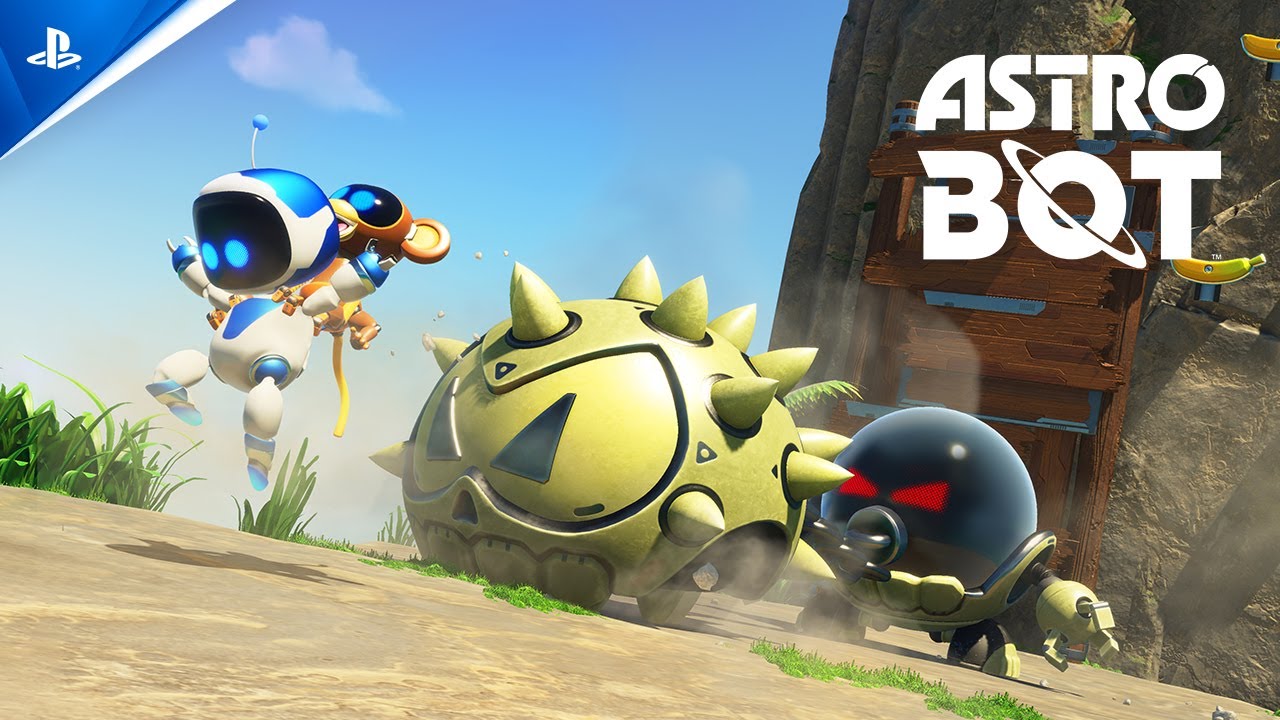
This Astro Bot review finds Team Asobi turning a mascot rescue mission into a disciplined tour of 3D platforming. The references are affectionate, but the stronger achievement is mechanical: almost every planet introduces one readable toy, explores it fully and ends before repetition erodes the joke.
Astro Bot review: the opening hours
A space accident scatters the PS5-shaped mothership and hundreds of bots across several galaxies. Early planets establish Astro’s jump, hover and spin, then layer in transformations such as springy gloves or the climbing monkey Handy-D. Rescued bots refill the hub and give collectibles an immediate visual purpose.
A normal level combines a direct route, hidden bots, puzzle pieces and exits to secret stages. Coins fund capsule-machine rewards at the crash site. The loop remains brisk because searching rarely requires fighting the camera; suspicious scenery is framed clearly and missed collectibles can be revisited without replaying a long chapter.
Systems and meaningful decisions
Power-ups are level-specific rather than permanent upgrades. That choice protects variety and lets each planet be tuned around one vocabulary. The hub grows as rescued bots cooperate to open routes, while puzzle pieces unlock small facilities. Progress feels communal without turning into a numerical skill tree.
We judged progression by whether it changed the next decision rather than merely increasing a number. A useful unlock opens a route, answers a recurring problem or creates a new risk. Busy menus received no extra credit when the underlying choice remained obvious.
Controls, combat and feedback
Astro accelerates, lands and hovers with unusual precision. The DualSense supplies distinct resistance and texture for rain, metal, sand and gadgets, but important actions remain visually understandable. A few motion-controlled sequences may be less comfortable for some players, and their novelty is stronger than their accuracy.
Failure is productive when the game supplies enough information for a better attempt. We separated setbacks caused by a readable rule or poor plan from repetition that only consumed time. Challenge can create tension without hiding responsibility for the outcome.
World and visual direction
Miniature beaches, construction sites, gardens and mechanical interiors use colour to separate safe ground, secrets and danger. PlayStation characters appear as bots and several themed levels reinterpret familiar series. Recognition adds charm, yet the staging works even when a reference is unknown.
Presentation was assessed during ordinary play, not only in composed screenshots. Strong direction guides attention through colour, movement and contrast while preserving mood. A beautiful effect becomes a liability when it hides an objective, hazard or rival.
Music and sound design
Bright orchestration responds to set pieces without overwhelming sound cues. Collectibles, enemy attacks and surfaces have clear identities through the controller speaker and main mix. Repeated rescue jingles remain short enough to celebrate progress rather than delay it.
Audio was treated as atmosphere and information. Distinct warnings, impacts and movement cues matter more over several hours than one loud set piece, although a memorable score can give repeated actions identity.
Performance and interface
The tested PS5 build held a smooth presentation through crowded scenes and shifted between levels with very short waits. Image quality is crisp, particles are abundant and the camera is usually reliable. Accessibility includes control and visual options, though players should verify whether every motion input can be replaced.
One platform cannot represent every configuration, and later patches may change performance. We report the observed experience without promising results on untested hardware. Players with strict accessibility or frame-rate requirements should check current platform documentation.
We also compared the advertised fantasy with the action repeated between major set pieces. A score rises when ordinary minutes express the same strengths as the trailer, and falls when progress regularly depends on friction the game does not acknowledge or explain.
Learning curve and pacing
The opening teaches through safe examples and then places the same rule under pressure. Challenge stages remove checkpoints and demand cleaner timing, but they are separated from the main route. Young players can reach much of the campaign while experts chase fast, unforgiving side rooms.
The opening session was separated from later play. A system that initially feels obscure may become expressive after its vocabulary settles, while a polished tutorial can hide a loop that never develops. Essential status and resource information should remain available during play.
Replay value and practical fit
Seven hours covered multiple galaxies, hub growth and a broad range of abilities. Hidden exits and challenge levels support return visits, while bot cameos make completion appealing. The finite campaign values density over a huge checklist and does not need procedural content to justify revisiting.
Replay value can come from alternate routes, builds, conversations or mastery of a fixed sequence. Those forms are not interchangeable. We credit only the structure visible in the stated hours and do not award points for an assumed endgame or promised roadmap.
Value and accessibility
Astro Bot is designed for one console and uses its controller heavily, which limits platform choice but strengthens the specific experience. It is best valued as a complete authored platformer, not by comparing its hour count with an open-world map.
Value was judged from the quality and repeatability of the available experience, not from a temporary discount. A compact game can justify its scope when every hour develops the idea; a larger game can still waste time through repetition.
The buying question extends beyond technical compatibility. Consider whether a normal twenty-minute stretch contains the decisions, reading, repetition and downtime you enjoy. Unedited footage of ordinary play is often a better final check than a trailer assembled from peak moments.
Limits of the 7-hour review
The test window did not include every late challenge, bot or post-launch level. It was enough to evaluate the repeated level structure, hub progression and several major power-ups. Future free stages are outside the score.
The test window was long enough to revisit the core loop across separate sessions, but it did not cover every ending, late encounter or future update. Price, discounts and online population are not treated as permanent facts.
Who should play it?
Play it for precise movement, visual discovery and levels that change ideas often. Players wanting complex combat or a long progression economy will find a deliberately lighter game.
Astro Bot review verdict
Team Asobi makes technical polish feel playful rather than clinical. The strongest levels turn one input into a sequence of surprises while remaining readable. A few controller novelties are uneven, but the campaign’s invention and kindness are exceptional.
Pros: precise and expressive movement; constant variety without mechanical clutter; excellent visual and haptic feedback.
Cons: motion sequences are less precise; PlayStation references vary in meaning; main route may feel easy to experts.
Final score: 9/10. A generous, tactile platformer that keeps introducing clear ideas and knows when to move on.
Sources: primary release notes or official records. Factual claims were checked against these records; interpretation is our own.
Continue with the Kaizensclan archive, our practical guides and the latest game reviews.
How we used the review time
Each session included ordinary progression, optional exploration and a return to previously learned systems rather than only opening spectacle. Notes were compared between sessions to distinguish a durable strength from one memorable set piece. The score reflects what the stated hours demonstrated directly; it does not award credit for unseen endings, promised updates or an assumed endgame.
Editorial note
Hands-on review window recorded in the article metadata, supported by official documentation and public technical coverage.
This article was reviewed on August 11, 2026.

Related stories
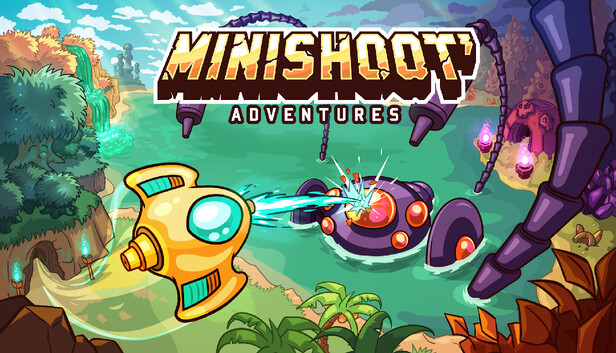
Minishoot’ Adventures review: exploration under fire
This Minishoot Adventures review finds a small ship leaving its village to free captured friends and confront corrupted machines. SoulGame Studio combines an.

Mouthwashing review: horror after the crash
This Mouthwashing review enters the Tulpar after a crash leaves five crew members with dwindling supplies and no credible rescue. Wrong Organ shifts between.

Thank Goodness You’re Here review: slapstick with purpose
This Thank Goodness You’re Here review follows a traveling salesman who arrives early for a mayoral appointment and becomes free labor for Barnsworth. Coal.
Community channel
Join the discussion
Start a thoughtful, specific conversation about this story.
Verified readers only
Continue with Google to comment.
Your Google account creates a reader-only Kaizensclan profile. Your first comment is reviewed before publication.