No Man’s Sky Swarm expedition guide for update 6.45.1
This No Man’s Sky Swarm expedition guide covers team missions, ship preparation, Hive battles, salvage and update 6.45.1 fixes. Read the verified details.

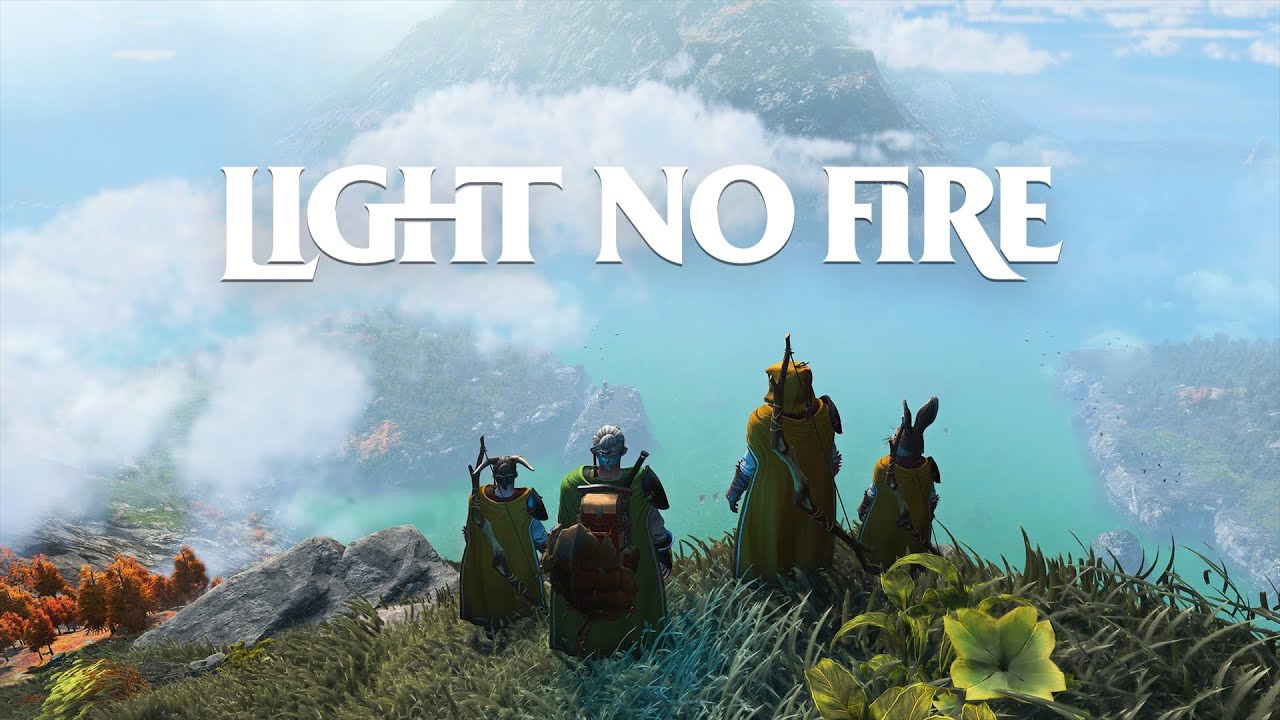
Updated for No Man’s Sky The Swarm 6.45.1. The Swarm assigns expedition players to one of three Traveller soul fragments and asks the whole community to construct the Prismatic Core. Update 6.45.1 fixed freighter disappearance and captain-call issues after freighter battles, while the main expedition rules remain rooted in update 6.4.
No Man’s Sky Swarm expedition guide: the plan
Prepare a dependable starship before specialising. Keep shields, launch fuel and a familiar weapon ready, then choose purge, restoration or sabotage work according to the current community requirement. Contribution matters more when it advances the shared construction balance instead of repeating only the fastest personal task.
This guide is a repeatable decision framework, not a promise that every opponent or server will react identically. Test it first in a low-stakes environment, record where it breaks and change one variable at a time.
Step-by-step execution
- Step 1: Read the expedition and bulletin progress before leaving the Space Anomaly. Identify which mission category currently needs contribution and pin one relevant milestone.
- Step 2: Inspect ship shields, weapon upgrades and fuel. Free inventory space for salvaged swarmer components so a successful battle does not create a sorting delay.
- Step 3: Approach swarmer groups from range and remove agile escorts before committing to the Hive. Keep moving across the firing plane rather than holding one line in front of the largest weapon.
- Step 4: During the Hive encounter, watch the iris and laser pattern. Break away when the attack lane forms, restore shields if needed and return to the vulnerable objective after the sweep.
- Step 5: On dissonant planets, locate crashed swarmers and clear small ground enemies before salvaging. Process the required research or restoration work instead of leaving with only generic loot.
- Step 6: Return contribution at the intended expedition step and check whether a new blueprint or phase has unlocked. Claim milestone rewards before changing categories so progress remains visible.
Assign one player or one clear cue to each transition. Plans often fail because two correct actions happen at different times. Short, specific communication keeps information useful without filling the channel with narration.
Common mistakes
The largest mistake is treating the Hive like an ordinary freighter battle and remaining in a straight firing lane. Players also arrive with full inventories, chase every small ship while ignoring the objective or repeat one mission category after its community need has changed. Another error is assuming an expedition reward remains available after the original event window.
Do not repair every mistake by adding complexity. First identify whether failure came from information, timing, spacing, resources or execution. The smallest correction is easier to remember and test on the next attempt.
Practice routine
Use a normal pirate or freighter encounter to test shield recovery and weapon heat before entering the largest battle. During the expedition, complete one mission from each contribution category and compare travel, combat and material requirements. Keep notes on the task that best fits the current ship.
- Record the first moment the plan became uncertain.
- Check whether the required resource was actually available.
- Review spacing before blaming individual mechanics.
- Keep successful parts when changing the failed step.
Use objective evidence when possible. A replay, demo or saved clip is more reliable than memory after a tense attempt. Review the decision before the outcome, because a poor choice can succeed and a sound choice can still lose.
Communication and role ownership
In multiplayer, identify who is clearing swarmers, who is watching the Hive attack and who is finishing the objective. Call the laser sweep direction before damage begins. When working on ground restoration, mark the salvage site so every player does not search the same debris twice.
Every required job needs one owner and one backup condition. Name the information that triggers the action rather than asking a teammate to guess from tone. When several players can solve the same problem, use the cheapest resource first.
Adaptation checklist
A strong fighter can focus on purge work, while a well-equipped explorer may complete restoration or salvage more efficiently. If connection or frame-rate issues make the largest fleet battle unreliable, reduce visual load through supported settings and complete other contribution tasks until the encounter is stable.
If an update changes geometry, economy, cooldowns or damage, retest the affected step instead of assuming the entire guide is obsolete. The version label at the top defines the boundary of this advice.
Final routine
Check the shared goal, prepare the ship and fight the Hive as a pattern encounter rather than a damage race. Empty inventory space and balanced mission choices prevent more lost time than one additional weapon upgrade.
Keep one learning goal per session. A narrow objective makes improvement visible and prevents a long checklist from competing with the match itself.
Sources: official information and published records. Factual claims were checked against the linked source and additional primary records; interpretation is our own.
Explore more reporting in the Kaizensclan archive and continue with our practical gaming guides.
Editorial note
Facts and mechanics were checked against the linked primary sources before publication.
- https://www.nomanssky.com/swarm-update/
- Hello Games
This article was reviewed on August 10, 2026.

Related stories

No Man’s Sky Worlds Part II expands the universe
Hello Games released No Man’s Sky: Worlds Part II as update 5.50 on January 29, 2025. The free update expands the generated universe with billions of new star.
Path of Exile 2 Sorceress leveling guide for 0.5.4e
Path of Exile 2 Sorceress leveling is smoother when the character solves one damage loop before collecting every elemental skill. Patch 0.5.4e is the referenc.

Minecraft mace combat guide for Java 1.21.9
Minecraft mace combat turns vertical movement into damage. Java Edition 1.21.9 is the reference version. A smash attack requires striking while falling far.
Community channel
Join the discussion
Start a thoughtful, specific conversation about this story.
Verified readers only
Continue with Google to comment.
Your Google account creates a reader-only Kaizensclan profile. Your first comment is reviewed before publication.