CS2 Dust II CT defense guide for Premier Season 5
This CS2 Dust II CT defense guide covers opening roles, long control, mid information, B-site support, rotations and economy plans for Premier Season 5.

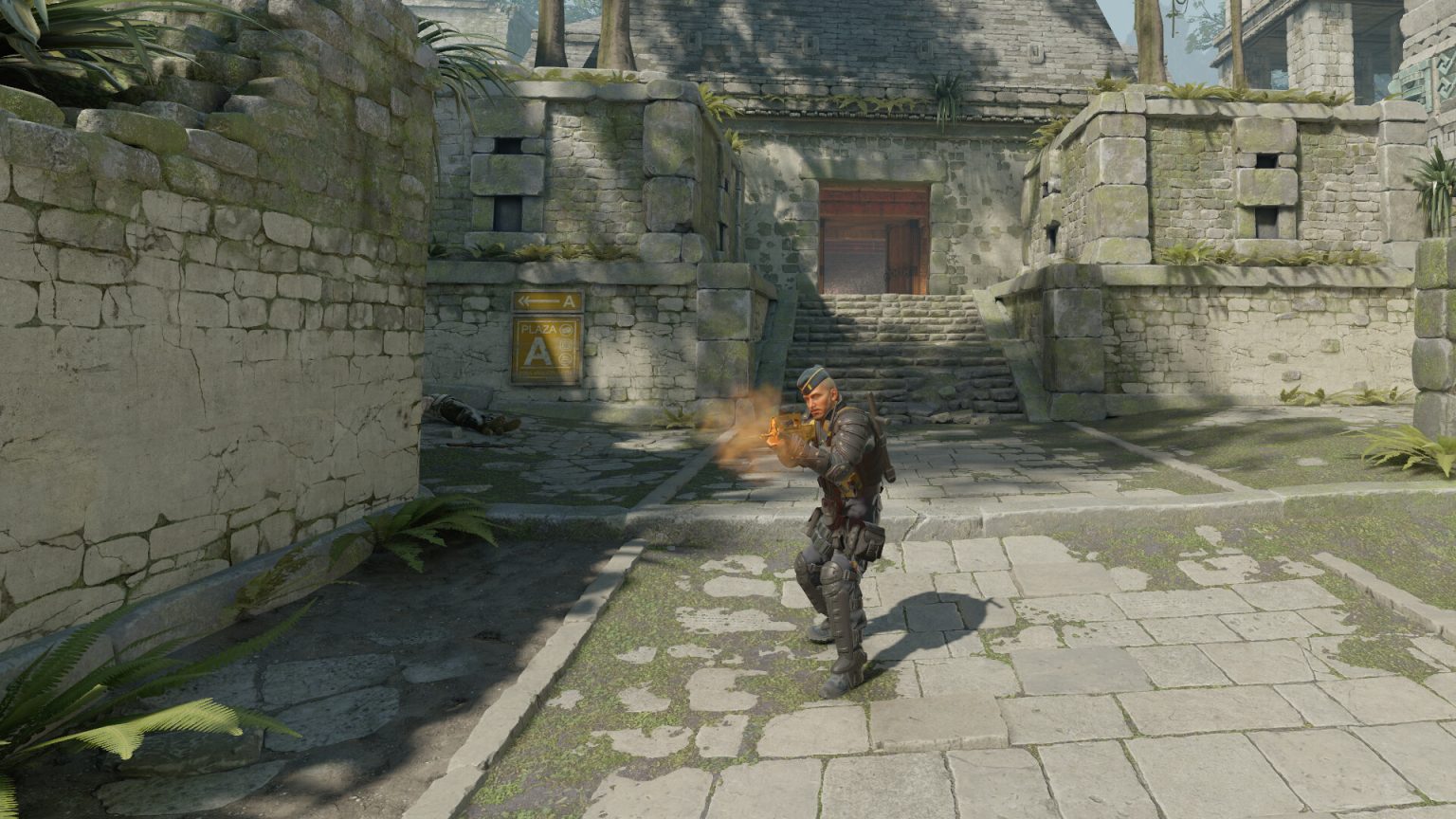
A reliable Dust II CT side is built around information, not constant fights. This guide is updated for CS2 Premier Season 5 and gives a five-player team a repeatable plan for long, mid and B.
Assign jobs before the freeze time ends
Use two players to contest long when spawn permits, one anchor at B, one mid player and one flexible A player. Spawn positions should modify the opening: the best long spawn leads, while a poor spawn should not force a late dry peek.
The B anchor preserves utility and communicates sound clearly. Mid watches lower tunnels and Xbox pressure without giving away an unnecessary opening death. The flexible defender links short, CT spawn and A.
Contest long with an exit plan
Flash over the long doors before the first contact and combine it with a molotov or HE when the economy allows. The goal is not always to win long outright. Confirming numbers, forcing utility and escaping toward car can be enough.
If terrorists gain pit, do not feed isolated re-peeks. Hold cross from site and short, or concede enough space to organize a retake. Two defenders alive with utility are more valuable than a sequence of hopeful one-versus-one duels.
Mid information controls both rotations
A mid defender should report presence, grenades and whether Xbox control is possible. Do not confuse silence with certainty: terrorists can hold lower tunnels or delay a catwalk split.
When mid is smoked, the team must decide whether to spend utility to delay a split or reposition. One flash through the smoke can enable a safe information peek, but repeating the same timing becomes predictable.
Let the B anchor survive
The B player should use cover to create multiple contacts rather than stand in the open for one kill. A tunnel molotov buys rotation time; a smoke can divide attackers and make trades awkward. Save at least one flash when possible for teammates entering through window or doors.
Call the bomb only when seen. Three footsteps in tunnels may be a committed hit, a fake or players protecting a mid split. Rotating both A defenders early gives the attack a free plant elsewhere.
Rotation rules
The closest support rotates first; the anchor on the opposite site waits for confirmed information. Short control makes A-to-B movement faster, while lost mid control makes CT spawn dangerous. Name the route in comms so two players do not expose themselves to the same angle.
On retakes, group before spending the final flash. Clear car, platform and tunnels in an agreed order. A fast solo entry rarely compensates for arriving two seconds earlier.
Economy and review checklist
On low buys, stack around a specific win condition: close-range crossfires, a saved rifle or a coordinated long rush. Do not scatter five weak weapons across every lane. After the match, review opening deaths, unused grenades and rotations triggered without bomb confirmation.
Our Ancient utility guide provides another map-specific protocol, while the community-map update report tracks current CS2 changes.
Quick checklist
- Use spawns to decide the long contest.
- Keep one B delay grenade for the committed hit.
- Report mid utility, not assumptions.
- Rotate the nearest support first.
- Retake as a group with one shared flash.
Updated for: Premier Season 5, August 2026.
Build anti-eco rules
Against pistols, increase distance and avoid giving attackers isolated rifles. Use incendiaries to deny close doors and tunnels, then hold crossfires that force several targets into view. A single defender chasing an anti-eco ace can turn a controlled round into a weapon recovery for the other team.
If attackers have upgraded pistols and armor, respect fast short and close B bursts. Utility should damage or separate the group before rifles commit. After the first kill, fall back into the crossfire instead of reloading in an exposed angle.
Respond to common T-side patterns
A long-heavy default asks CTs to preserve A utility and keep short information. Repeated Xbox smokes suggest catwalk access, but the mid player should still watch for a late lower-tunnel lurk. A B tunnel default can hold the anchor in place while the rest of the attack works mid.
Record what the opponent does after losing the opening duel. Some teams accelerate immediately; others wait for a defender to seek information. Adjust the next round’s timing instead of changing the entire setup after one result.
Use timeout language in ordinary rounds
Short, standardized calls improve the defense: “two long, bomb unseen,” “mid smoke, no cross,” or “B contact, holding utility.” Avoid narrating speculation. The in-game leader should know what is confirmed and what remains possible.
When saving, name the exit and stop hunting separately. Preserved rifles give the next round a coherent buy; scattered deaths create another weak defense.
Demo review questions
For every lost CT round, identify when the defense first lost reliable information. Then ask whether utility was used to obtain information, delay a hit or merely because a timer had passed. Track rounds where two defenders watched the same threat while another lane was unowned.
A strong review ends with one change that can be tested: a later B smoke, a different long flash or a clearer short-rotation trigger. Do not rebuild all five roles from a single half.
Editorial note
Facts and mechanics were checked against the linked primary sources before publication.
This article was reviewed on August 7, 2026.

Related stories
Path of Exile 2 Sorceress leveling guide for 0.5.4e
Path of Exile 2 Sorceress leveling is smoother when the character solves one damage loop before collecting every elemental skill. Patch 0.5.4e is the referenc.
Minecraft mace combat guide for Java 1.21.9
Minecraft mace combat turns vertical movement into damage. Java Edition 1.21.9 is the reference version. A smash attack requires striking while falling far.
Dota 2 Watcher control guide for patch 7.41e
Dota 2 Watcher control is useful when it protects the next movement, not when a support activates every structure on cooldown. Patch 7.41e is the reference.
Community channel
Join the discussion
Start a thoughtful, specific conversation about this story.
Verified readers only
Continue with Google to comment.
Your Google account creates a reader-only Kaizensclan profile. Your first comment is reviewed before publication.