Five patch 7.41e questions that will shape TI 2026
The TI 2026 patch 7.41e meta will be defined by flexible openings, lane stability, objective conversion, save timing and drafts that survive Swiss play.

The TI 2026 patch 7.41e meta cannot be reduced to a list of the most-picked heroes before the first Shanghai series is complete. Five draft questions matter more at the start: flexibility, lane stability, objective conversion, save timing and whether a strategy survives repeated Swiss opponents.
1. Which opening picks hide the most information?
A first-phase hero is valuable when it protects several lane and role options. The opponent must spend bans and later picks without knowing the complete structure. Watch whether teams reveal a core immediately or use a flexible support and offlane option to preserve the final matchup. Draft value comes from the decisions a pick delays as well as the spells it supplies.
2. Can the lanes reach the intended timing?
A clever late-game combination has no value if two lanes collapse before its first item or level window. The strongest TI drafts usually show how they will secure ranged creeps, protect vulnerable supports and move one hero toward the first objective. Judge a lineup by the route to its power spike, not only the power spike itself.
3. What does a won fight become?
Patch analysis often stops at teamfight execution. Tournament Dota continues through Roshan, towers, vision and lane position. The TI 2026 patch 7.41e meta will reward lineups that can take durable value without spending every cooldown simply to start the objective. A draft that wins one fight but cannot enter the pit safely remains incomplete.
4. Are saves layered or duplicated?
Two defensive heroes can strengthen a carry, but they can also answer the same threat while leaving another untouched. Watch which spell removes control, which creates distance and which protects against physical commitment. Good teams force one response, wait, then commit the next layer instead of giving every save maximum value at once.
5. Can the idea survive Swiss repetition?
A surprise strategy may win once and disappear into bans. A tournament-winning identity needs adjacent drafts that preserve the same strengths after opponents remove the obvious hero. Swiss play accelerates that test because successful teams meet other successful teams. The lasting meta will be built by systems that survive adaptation, not only by the first day’s pick-rate table.
Sources: primary tournament record and supporting tournament record. Scores, dates, format details and audience figures are attributed to the linked records; tactical interpretation is our own.
Follow the opening of The International 2026, check the full TI 2026 field, or review Dota 2 patch 7.41e.
Editorial note
Facts and mechanics were checked against the linked primary sources before publication.
This article was reviewed on August 14, 2026.

Related stories
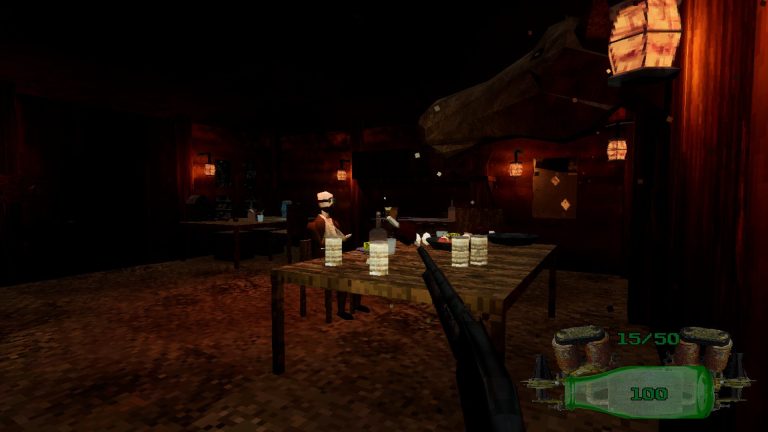
The Down Below opens four underground horror levels
The Down Below opens four underground horror levels. lowpolyenjoyer combines a lever-action shotgun, nine enemy types, 30 interactive items, physics props…
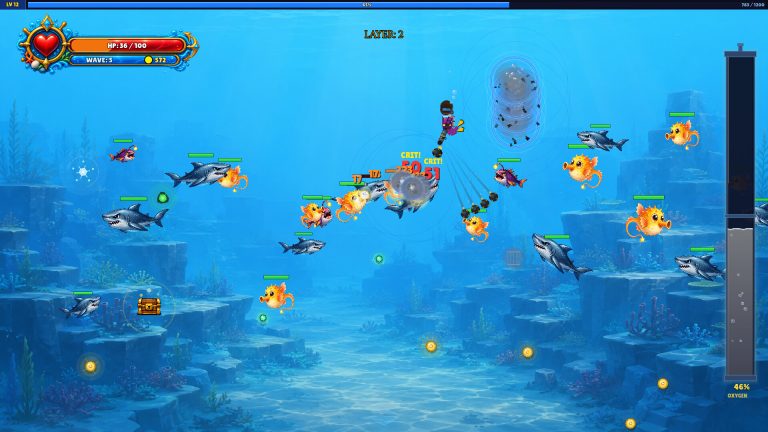
Deep Diver makes every breath increase the danger
Deep Diver makes every breath increase the danger. PEGAX Studios connects oxygen management to escalating enemies across eight weapons, 30 abilities and…
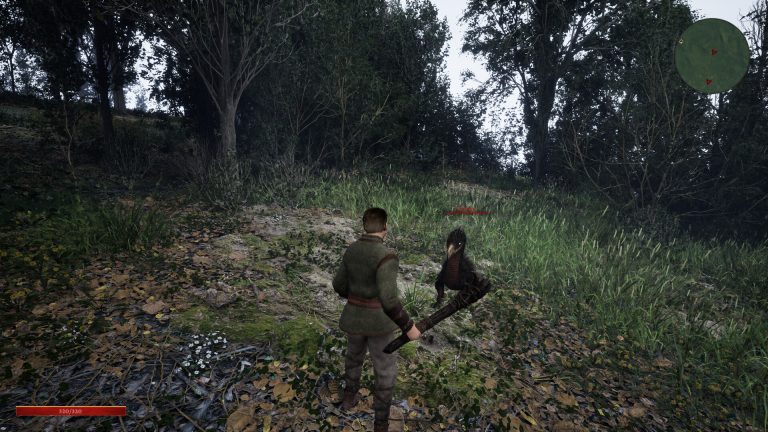
Ashes of Kardoria launches a 16-hour faction RPG
Ashes of Kardoria launches a 16-hour faction RPG. The choice-driven campaign pits Guards against Hunters amid plague and hunger, with multiple endings and…
Community channel
Join the discussion
Start a thoughtful, specific conversation about this story.
Verified readers only
Continue with Google to comment.
Your Google account creates a reader-only Kaizensclan profile. Your first comment is reviewed before publication.