RoboCop Unfinished Business review: tower enforcement
Our RoboCop Unfinished Business review examines six hours inside OmniTower, including Auto-9 combat, new weapons and Murphy flashbacks. Read the verified.

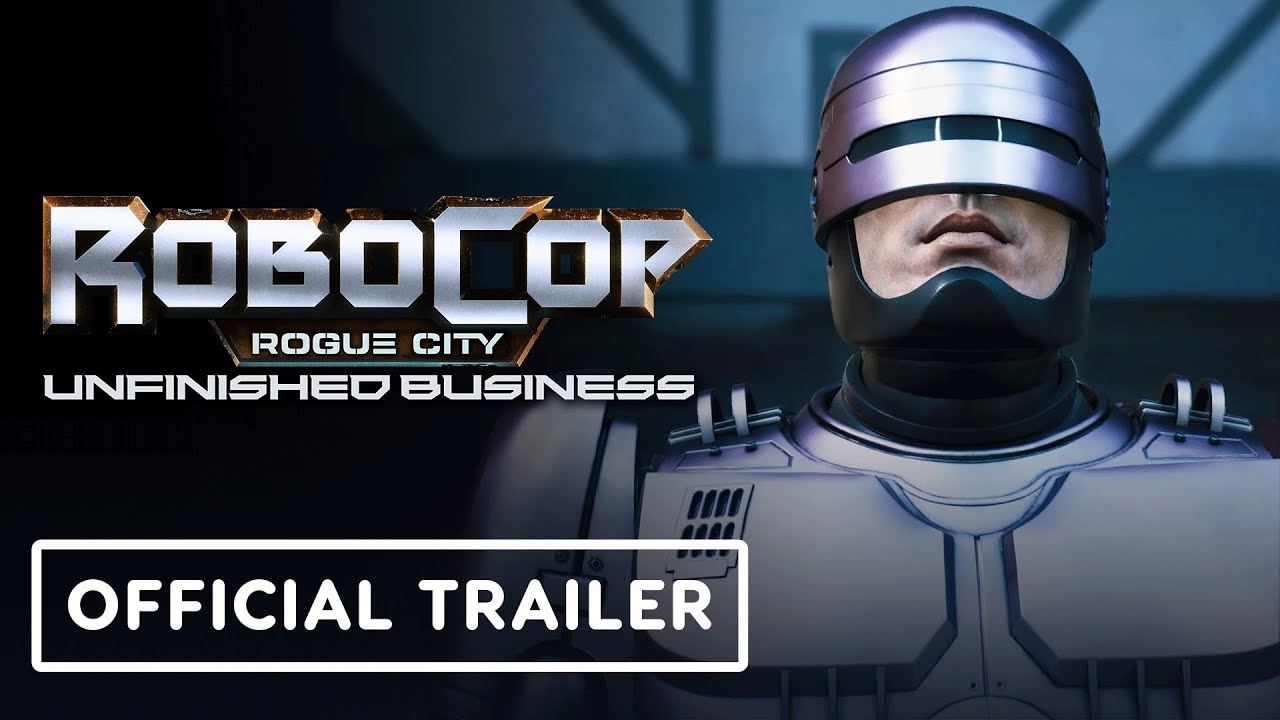 7.5
7.5 Kaizensclan verdict
Our RoboCop Unfinished Business review examines six hours inside OmniTower, including Auto-9 combat, new weapons and Murphy flashbacks. Read the verified.
Review basis: 6 hours on PC. The stated time covers several sessions with the release build and is not a claim of full completion.
Unfinished Business places RoboCop at the bottom of OmniTower and gives him one clear direction: up. The standalone story trades Rogue City’s broader police routine for a focused assault through occupied residential, industrial and security floors.
RoboCop Unfinished Business review: first impressions
The Auto-9 immediately restores the series’ deliberate rhythm. RoboCop does not dance around bullets; he identifies threats, uses armor and turns environmental objects into weapons. Early rooms teach that scanning, target order and explosive scenery matter more than conventional shooter speed.
Combat alternates with investigation, dialogue and brief changes of perspective. New weapons such as the Cryo Cannon create crowd-control opportunities, while sequences involving ED-209 and Alex Murphy vary scale. The tower structure keeps goals clear but also makes repeated corridors more noticeable.
Systems and meaningful decisions
Experience upgrades improve armor, weapons and investigative tools. The Auto-9 remains a reliable center, preventing dropped guns from becoming mandatory busywork. Environmental interactions reward observation: a screen, fuse box or heavy object can solve a room more efficiently than another magazine.
We judged progression by whether it changed the next decision rather than simply raising a number. A useful unlock opens a route, answers a recurring problem or creates a new risk. Busy menus received no extra credit when the underlying choice remained obvious.
Controls, combat and feedback
Aiming has weight without feeling delayed, and enemies react dramatically to powerful hits. Movement is intentionally slower than most modern shooters, which fits the character but makes backtracking less pleasant. Damage direction and scanning usually explain priority, though debris occasionally obscures a surviving attacker.
Failure is productive when the game reveals enough information for a better attempt. We separated setbacks caused by a readable rule or poor plan from repetition that only consumed time. Challenge can create tension without hiding responsibility for the outcome.
World and visual direction
OmniTower mixes unfinished luxury, civilian spaces and corporate machinery. Satirical advertisements and incidental details preserve the film universe’s tone. The single-building premise creates cohesion, but some service areas and combat floors repeat shapes before the ascent ends.
Presentation was assessed during ordinary play, not only in composed screenshots. Strong direction guides attention through colour, movement and contrast while preserving mood. A beautiful effect becomes a liability when it hides an objective, hazard or rival.
Music and sound design
Peter Weller’s performance anchors the story with controlled delivery. Auto-9 bursts, metal footsteps and mechanical warnings make RoboCop’s presence audible. Music uses the familiar heroic language carefully, allowing industrial ambience and civilian voices to carry quieter scenes.
Audio was judged as both atmosphere and information. Distinct warnings, impacts and movement cues matter more over several hours than one loud set piece, although memorable themes can give repeated actions identity.
Performance and interface
The PC build delivered a stable six-hour experience on the test setup with settings adjusted for the hardware. Dense effects could make a few fights visually noisy, but controls stayed responsive. Menu and objective text are functional rather than elegant, and repeated checkpoint transitions briefly interrupt the otherwise deliberate momentum.
One test platform cannot represent every configuration, and later patches may change performance. We report the observed experience without promising results on untested hardware. Players with a specific accessibility or frame-rate requirement should check current platform documentation.
Learning curve
Anyone familiar with Rogue City can begin immediately. New players receive clear prompts for scanning, deduction and combat tools, although the story assumes some knowledge of Murphy and OCP. Upgrade decisions are readable and do not require an external build planner.
The opening session was separated from later play. A system that feels obscure for ten minutes may become expressive after its vocabulary settles, while a polished tutorial can hide a loop that never develops. Essential status and resource information should remain available during play.
Pacing and replay value
The tower gives the campaign momentum and suits shorter sessions because each floor offers a tangible destination. Dialogue and flashbacks break the shooting rhythm. Repetition appears when several combat arenas rely on the same doorway-and-corridor pattern.
Replay value can come from alternate routes, builds, rivals or mastery of a fixed sequence. Those forms are not interchangeable. We credit only the structure visible in the stated hours and do not award points for an assumed endgame or promised roadmap.
Monetization and value
Unfinished Business is sold as a standalone premium game rather than DLC that requires Rogue City. That lowers the ownership barrier, but its more concentrated scope should be compared with the current price. No live-service power economy shaped the reviewed sessions.
Value was judged from the quality and repeatability of the available experience, not from a temporary discount. A compact game can justify its scope when every hour develops the idea; a larger game can still waste time through repetition.
Accessibility and practical fit
Difficulty options and the durable protagonist make the shooter approachable. Slow movement reduces twitch demands, while screen shake, violence and heavy impact effects may need adjustment for sensitive players. Current platform listings provide the authoritative input and language options.
The buying question extends beyond technical compatibility. Consider whether a normal twenty-minute stretch contains the decisions, reading, repetition and downtime you enjoy. Unedited footage of ordinary play is often a better final check than a trailer built from peak moments.
We also compared the advertised fantasy with the action repeated between major set pieces. A review score rises when ordinary minutes express the same strengths as the trailer, and falls when progress regularly depends on friction that the game does not acknowledge or explain.
Limits of the 6-hour review
Six hours covered a substantial portion of the OmniTower campaign and its major combat vocabulary, not every optional interaction or ending detail. The review avoids spoiling late floors and does not treat one PC configuration as a universal benchmark.
The window was long enough to test the repeated loop across separate sessions, but not every ending, late encounter or future update. Price, discounts and online population are not treated as permanent facts.
Who should play it?
It suits RoboCop fans and players who prefer purposeful, heavy gunplay to acrobatic speed. Those wanting an open city, deep stealth or a long systemic campaign should expect a smaller, more linear assignment.
RoboCop Unfinished Business review verdict
Unfinished Business is strongest when weight, satire and violence reinforce the same character. Its tower cannot offer Rogue City’s breadth, yet the tighter form keeps the Auto-9 and RoboCop’s method at the center. Repeated spaces hold it below the best moments of its predecessor.
Pros: Excellent Auto-9 feedback; Peter Weller and environmental satire preserve the character; Focused standalone structure.
Cons: Repeated tower spaces; Slow backtracking; Some visually noisy encounters.
Final score: 7.5/10. A compact, forceful standalone chapter that understands RoboCop even when its tower repeats itself.
Sources: primary release information or official records. Dates, scores and named features were checked against the linked source; evaluative passages are our own.
Continue with the Kaizensclan archive and our practical gaming guides.
Editorial note
Hands-on review window recorded in the article metadata, supported by official documentation and public technical coverage.
This article was reviewed on August 10, 2026.

Related stories
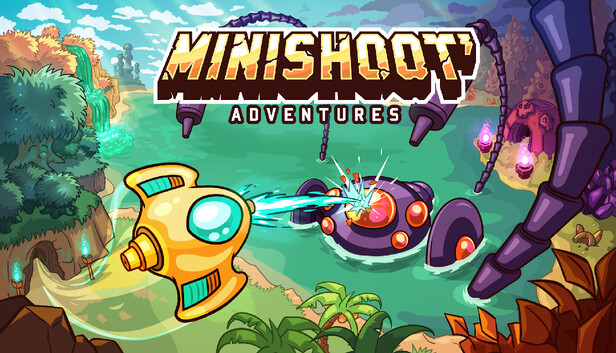
Minishoot’ Adventures review: exploration under fire
This Minishoot Adventures review finds a small ship leaving its village to free captured friends and confront corrupted machines. SoulGame Studio combines an.
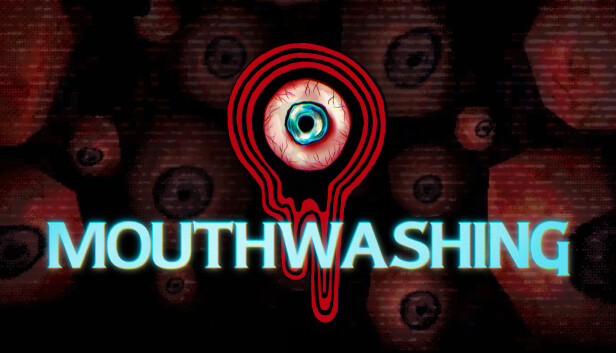
Mouthwashing review: horror after the crash
This Mouthwashing review enters the Tulpar after a crash leaves five crew members with dwindling supplies and no credible rescue. Wrong Organ shifts between.

Thank Goodness You’re Here review: slapstick with purpose
This Thank Goodness You’re Here review follows a traveling salesman who arrives early for a mayoral appointment and becomes free labor for Barnsworth. Coal.
Community channel
Join the discussion
Start a thoughtful, specific conversation about this story.
Verified readers only
Continue with Google to comment.
Your Google account creates a reader-only Kaizensclan profile. Your first comment is reviewed before publication.