Protocol 781-A: VALORANT’s voiced arsenal dissected
VALORANT Protocol 781-A combines a dystopian military frame, localised weapon voices, mechanical animation and a robot execution finisher. Read the verified.

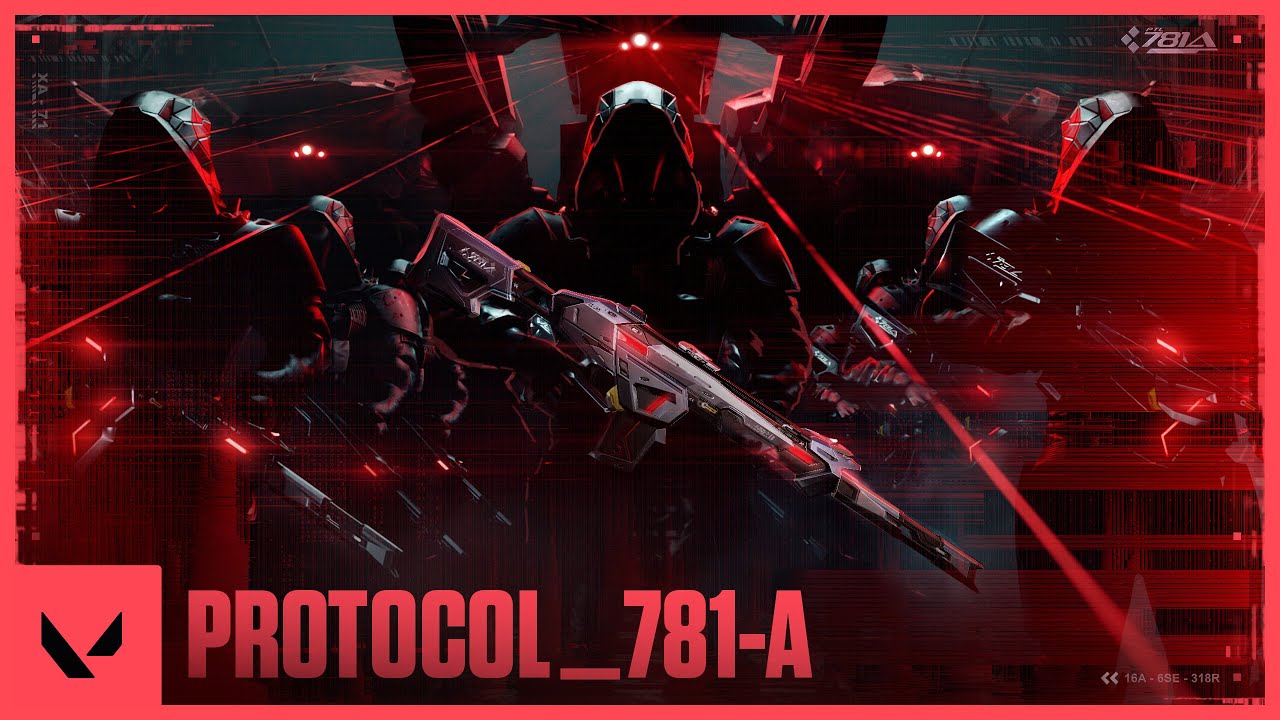
Protocol 781-A makes the weapon itself an authority figure. The collection frames the Phantom, Bulldog, Spectre and Sheriff as parts of a compliance platform that monitors the user, issues spoken instructions and deploys a machine to execute the final opponent.
VALORANT Protocol 781-A: visual language
Hard grey panels, exposed mechanisms and narrow warning lights create a military-industrial silhouette. The default finish feels manufactured rather than ornamental, while white and pink, red and blue, and green variants change allegiance without removing the same serialised chassis. The Personal Administrative Melee Unit extends the idea into twin blades with a compact inspection mechanism.
Animation and audio
Upgrades add custom visual effects, animation, a finisher and weapon voice-over. Mechanical pieces open during equip and reload without pretending the firearm is weightless. Spoken lines are the defining layer: Riot localised the voice feature across supported languages, so the platform’s personality follows the player rather than remaining an English-only novelty.
Readability during play
The collection changes surfaces more than proportions. Muzzles, magazines and grips retain the expected functional positions, and moving panels stay close to the weapon during normal fire. The finisher uses its largest robot animation only after the decisive elimination, when competitive information has already resolved.
Production context
Riot revealed Protocol 781-A in January 2022 for Episode 4 Act I and classified it as an Ultra Edition collection. Its premium production scope came from voice support as much as model complexity. The theme is intentionally uncomfortable: the system offers assistance while continually enforcing obedience.
Why the design lasts
Protocol remains distinctive because voice is integrated with premise rather than attached as a celebrity line. Every layer describes the same machine bureaucracy. Players may disable or limit upgrades according to the current client options, but the fully developed collection is a rare cosmetic that behaves like an in-world operating system.
This article evaluates cosmetic design rather than market value. Store rotation, availability and prices can change, and no cosmetic makes a weapon or hero mechanically stronger.
Sources: official information and published records. Factual claims were checked against the linked source and additional primary records; interpretation is our own.
Explore more reporting in the Kaizensclan archive and continue with our practical gaming guides.
Editorial note
Facts and mechanics were checked against the linked primary sources before publication.
This article was reviewed on August 7, 2026.
Related stories
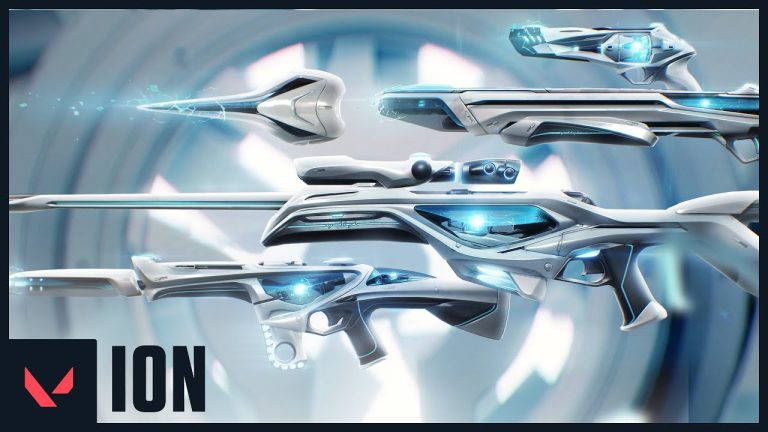
VALORANT Ion: clean science fiction built around energy
Riot revealed the original VALORANT Ion skin line in November 2020. Its white shells, dark joints and blue energy cores present a clean science-fiction weapon.
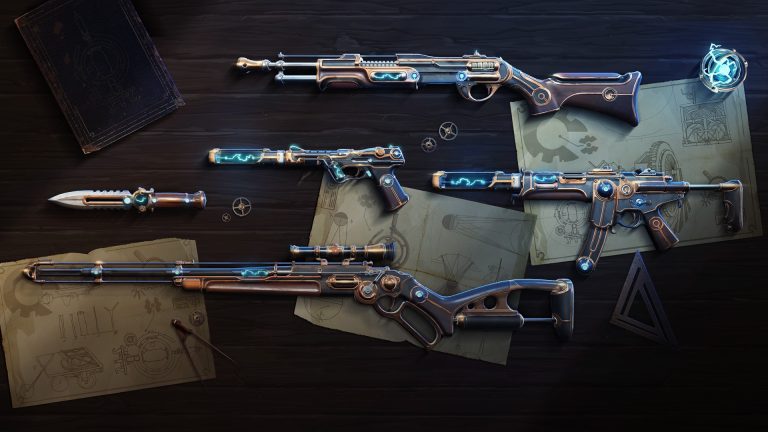
VALORANT Magepunk: electricity inside an old machine
VALORANT Magepunk first appeared in 2021 with Ghost, Spectre, Bucky, Marshal and Electroblade cosmetics, then expanded through later collections. The line.
VALORANT Bind A execute guide for patch 13.02
A reliable Bind A execute creates two simultaneous problems instead of sending five players through A Short. Control either Showers or the Short cubbies, cut.
Community channel
Join the discussion
Start a thoughtful, specific conversation about this story.
Verified readers only
Continue with Google to comment.
Your Google account creates a reader-only Kaizensclan profile. Your first comment is reviewed before publication.