VALORANT Miks utility guide for patch 13.02
Use this VALORANT Miks utility guide for patch 13.02 to plan M-Pulse timing, smoke ownership, site entries and disciplined post-plant support. Read the.

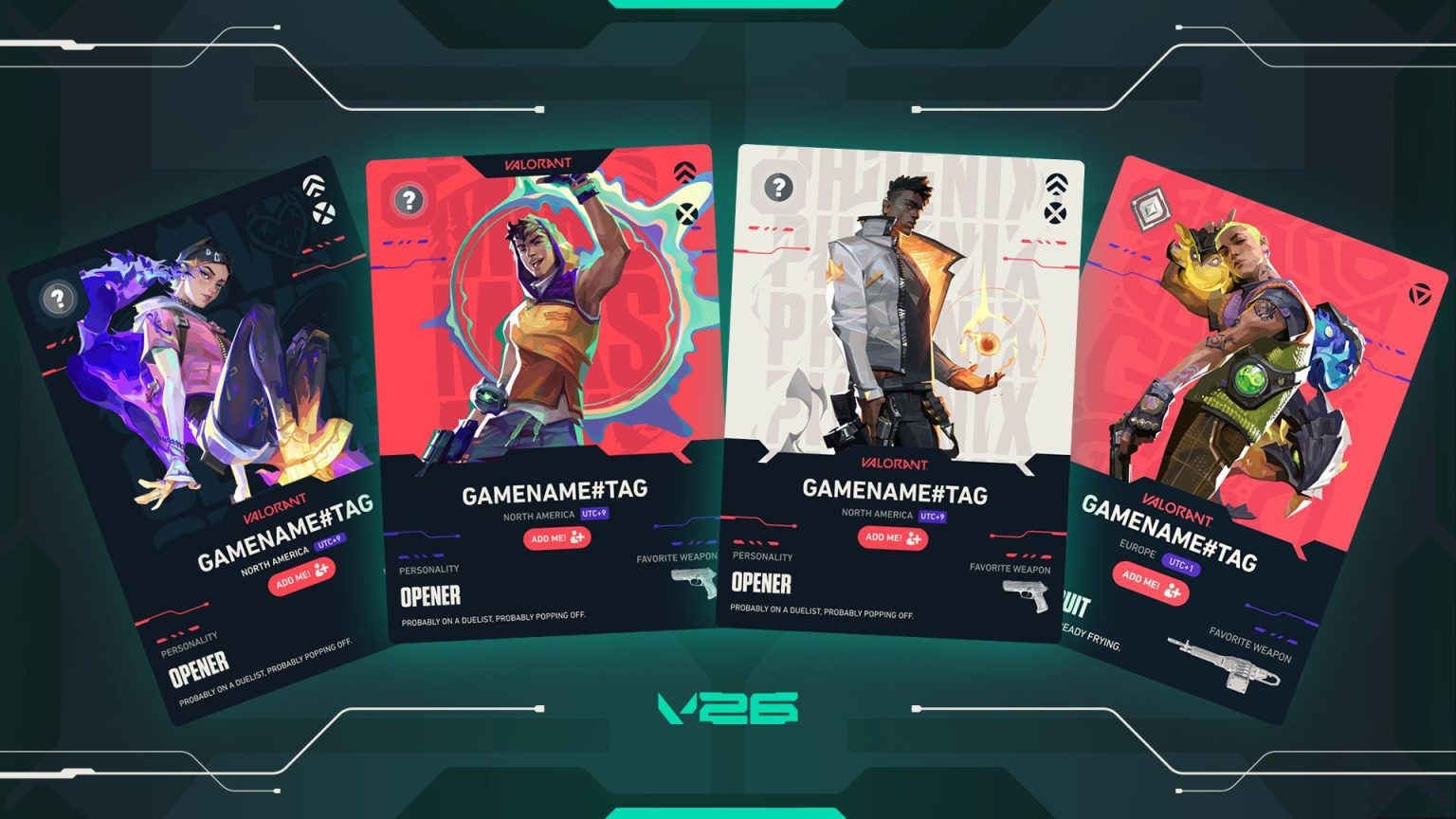
Updated for VALORANT patch 13.02. Miks is a Controller, so the first responsibility is reliable space denial. Patch 13.02 fixed an interface issue affecting the M Pulse icon and tooltip but did not replace the basic team requirement: announce which sightline you own, place utility before teammates cross and retain one useful answer for the post-plant.
VALORANT Miks utility guide: the plan
Build each round around two stages. First, remove the defenders’ strongest lines long enough for the entry pair to claim space. Second, keep a timed piece of utility for the defender’s retake. M-Pulse should support a known contact or deny a predictable movement window, not be activated merely because it is available.
This guide is a repeatable decision framework, not a promise that every opponent or server will react identically. Test it first in a low-stakes environment, record where it breaks and change one variable at a time.
Step-by-step execution
- Step 1: During the buy phase, identify the two sightlines that must be blocked and name who calls their timing.
- Step 2: Place the first smoke or control effect just before the entry reaches exposure, leaving enough duration for the second player to trade.
- Step 3: Use M-Pulse when a teammate can act on its window. Count down the cast if the effect changes movement or fighting timing.
- Step 4: Move behind the entry rather than staying at the original lineup position. A Controller who cannot trade leaves captured space fragile.
- Step 5: After the plant, choose one retake lane to delay and save the remaining utility for confirmed contact instead of the first sound cue.
- Step 6: If the execute stalls, cancel cleanly. Recheck cooldowns, regroup and rebuild the sightline plan rather than feeding through expiring utility.
Assign one player or one clear cue to each transition. Plans often fail because two correct actions happen at different times. Short, specific communication keeps information useful without filling the channel with narration.
Common mistakes
Casting every ability before the duel begins leaves the team without an answer after the plant. Another error is overlapping Miks utility with an Initiator effect that already controls the same space. Players also remain too far behind after using a lineup, creating a four-player site hit. Finally, silent smoke placement causes teammates to cross before coverage is active.
Do not repair every mistake by adding complexity. First identify whether failure came from information, timing, spacing, resources or execution. The smallest correction is easier to remember and test on the next attempt.
Practice routine
Enter a custom game and mark the exact locations where each smoke must land from common approach positions. Measure when it blooms relative to an entry sprint. Next, add one teammate and practise the M-Pulse countdown into a swing. Finish by running the same execute with an intentional cancel call.
- Record the first moment the plan became uncertain.
- Check whether the required resource was actually available.
- Review spacing before blaming individual mechanics.
- Keep successful parts when changing the failed step.
Use objective evidence when possible. A replay, demo or saved clip is more reliable than memory after a tense round. Review the decision before the outcome, because a poor choice can succeed and a sound choice can still lose.
Communication and role ownership
Say the covered sightline and remaining duration: “heaven smoked, fading in three” is better than “smokes down.” The entry player owns the go signal; Miks confirms when supporting utility is active. In post-plant, the player with visual contact calls the trigger, preventing remote utility from firing on an unreliable footstep.
Every required job needs one owner and one backup condition. Name the information that triggers the action rather than asking a teammate to guess from tone. When several players can solve the same problem, use the cheapest resource first.
Adaptation checklist
Against aggressive defenders, keep the first control tool for the choke and punish the push before building the site execute. Against passive retakes, spend less utility on empty back-site space and preserve more for the defuse. If an enemy consistently waits out M-Pulse, use the window to take ground instead of demanding a duel.
If an update changes geometry, economy, cooldowns or damage, retest the affected step instead of assuming the entire guide is obsolete. The version label at the top defines the boundary of this advice.
Final routine
Plan two blocked lines, one actionable M-Pulse window and one post-plant denial tool. Move with the team after casting, communicate the fade time and rebuild the plan whenever the first contact changes the geometry of the round.
Keep one learning goal per session. A narrow objective makes improvement visible and prevents a long checklist from competing with the match itself.
Sources: official information and published records. Factual claims were checked against the linked source and additional primary records; interpretation is our own.
Explore more reporting in the Kaizensclan archive and continue with our practical gaming guides.
Editorial note
Facts and mechanics were checked against the linked primary sources before publication.
This article was reviewed on August 7, 2026.

Related stories
VALORANT Bind A execute guide for patch 13.02
A reliable Bind A execute creates two simultaneous problems instead of sending five players through A Short. Control either Showers or the Short cubbies, cut.
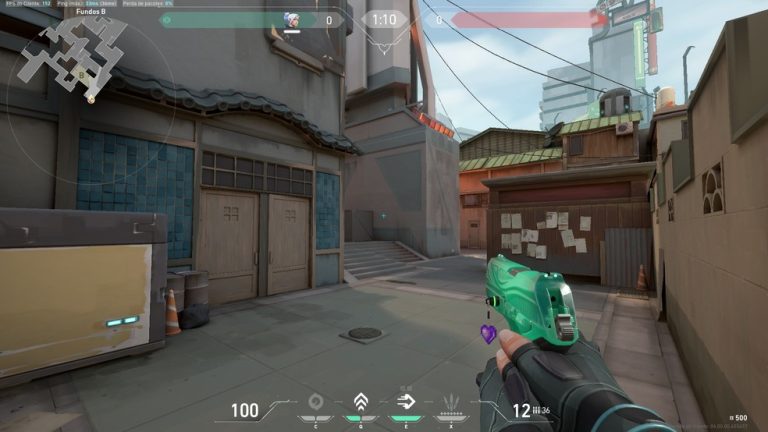
VALORANT Split B execute guide for patch 13.02
A Split B execute works when B Main and mid pressure arrive together. Patch 13.02 is the reference version. Clear close angles, deny Heaven vision and reserve.
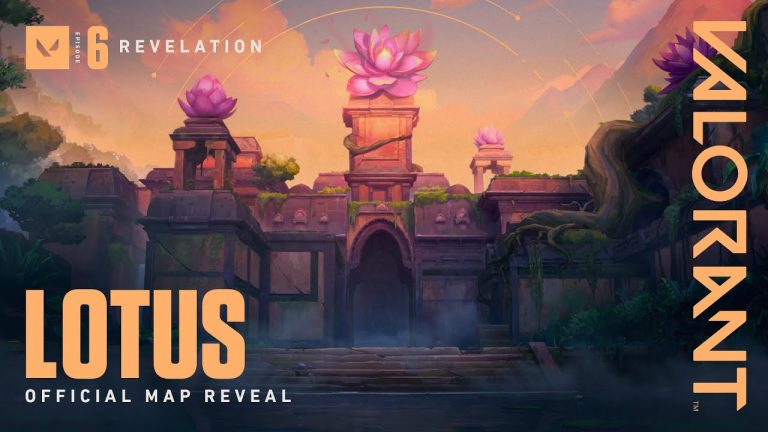
VALORANT Lotus A execute guide for patch 13.02
A consistent Lotus A execute begins before the barrier drops. The attacking team needs a Rubble plan, utility for A Main and Tree, a plant location that.
Community channel
Join the discussion
Start a thoughtful, specific conversation about this story.
Verified readers only
Continue with Google to comment.
Your Google account creates a reader-only Kaizensclan profile. Your first comment is reviewed before publication.