The Drifter review: a thriller that respects momentum
The Drifter review based on seven hours with Powerhoof’s fast point-and-click thriller, examining its practical puzzles, pacing and Australian noir. Read the.

 8.5
8.5 Kaizensclan verdict
The Drifter review based on seven hours with Powerhoof’s fast point-and-click thriller, examining its practical puzzles, pacing and Australian noir. Read the.
Review basis: 7 hours on PC (Steam). This research review covers the systems and release build observed in that window, not a completionist playthrough.
The Drifter understands that a thriller loses force when the player spends twenty minutes trying every inventory item on a drainpipe. Powerhoof builds a traditional point-and-click adventure around Mick Carter, a drifter who is murdered, returns moments before his death and becomes trapped in a conspiracy that keeps moving whether he is ready or not.
The Drifter review: the first session
The opening establishes danger before explaining its supernatural rule. Mick’s voice carries the story with worn-in Australian character rather than detective glamour, and the interface asks for familiar actions without a verb grid. Objects are examined, collected and combined through readable prompts. The result feels authored rather than simplified: attention stays on why an action matters.
Most scenes alternate between conversation, observation and a short chain of grounded actions. The game rarely floods the inventory with joke objects. A clue usually belongs to the immediate problem, but the solution still requires understanding the space and Mick’s practical instincts. That balance preserves momentum without reducing play to clicking the only highlighted object.
Systems and meaningful decisions
The resurrection premise is not a conventional rewind mechanic applied to every puzzle. It supports the plot and occasionally reshapes what Mick knows, while investigation remains the main tool. Dialogue choices colour exchanges more than they branch the entire narrative. The strongest sequences let information collected in one location change the meaning of another instead of presenting a disconnected lock-and-key test.
A progression system earns its place when it changes the next decision rather than merely raising a number. We tracked whether new tools opened routes, solved recurring problems or encouraged a different risk. Interface activity received no extra credit when the underlying choice stayed obvious.
Controls, challenge and feedback
Mouse control is immediate, and the optional controller scheme translates pointing into direct movement and selection with little friction. Hotspots remain legible without turning every background detail into a false lead. A few action-heavy transitions ask for quicker recognition than the genre usually demands, but failure returns the player rapidly and the intended action becomes clearer.
Failure is most useful when the game reveals enough information to support another attempt. We separated setbacks caused by a readable rule or poor plan from repetition that simply consumed time. Difficulty can create tension without obscuring responsibility for the result.
World, art and sound
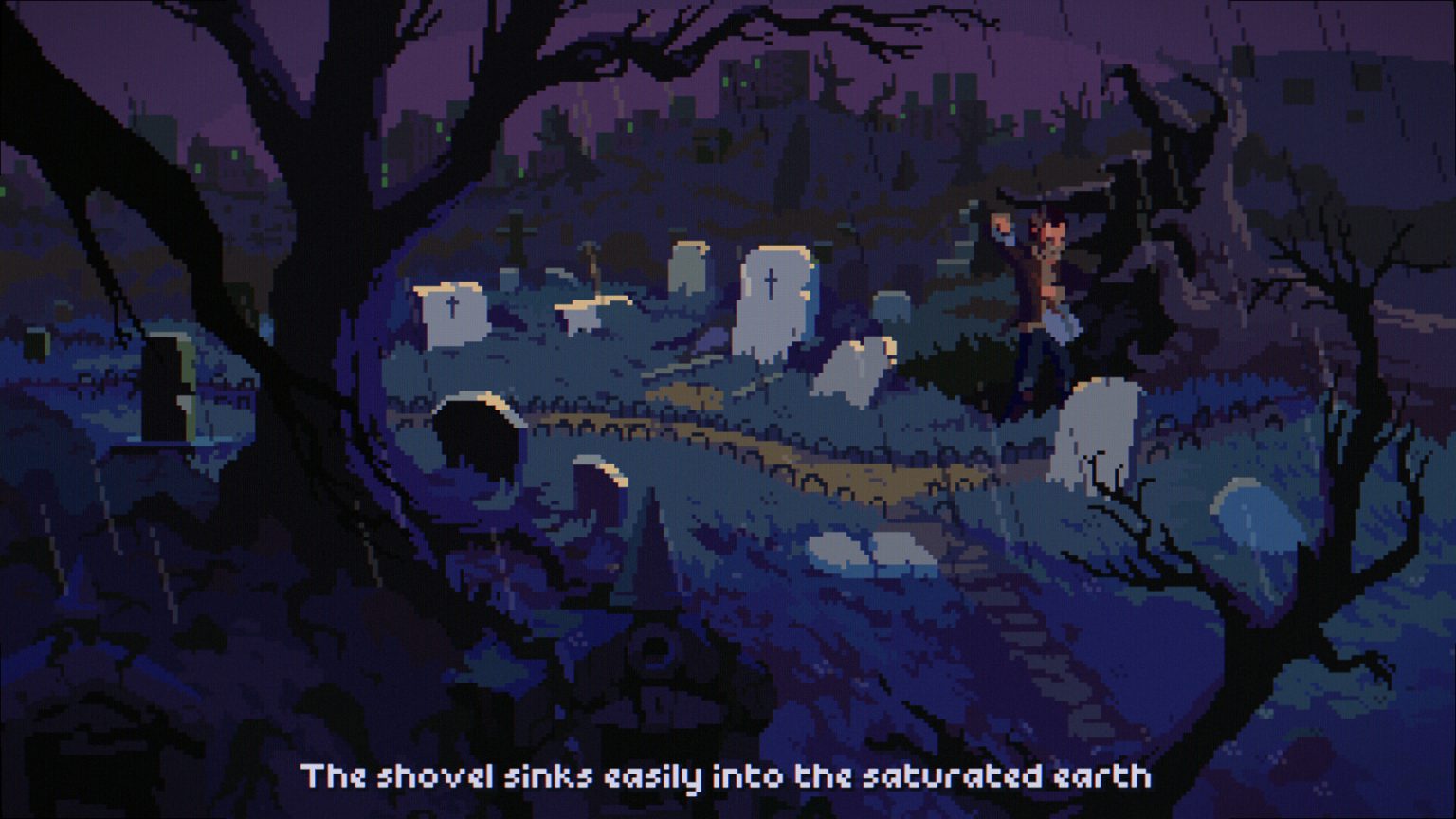
Chunky pixel art gives industrial yards, wet streets and cramped interiors a physical texture. Character animation carries unusually sharp impact during violence without abandoning the chosen scale. The Australian setting is specific in speech, architecture and attitude, avoiding the feeling of generic noir scenery with substituted place names.
Professional voice work is central. Mick’s internal narration supplies both instruction and personality, while the dark electronic score tightens scenes without announcing every threat. Effects land with weight, especially during abrupt cuts, yet dialogue remains intelligible over the mix.
Presentation was judged during ordinary play rather than only in composed screenshots. Strong art direction guides attention through colour, movement and sound while preserving mood. A beautiful scene is less effective when objectives, hazards or interactive objects disappear inside it.
Performance and interface
Across the review window, scene transitions and input were stable on the tested PC. Saving is unobtrusive, and the interface supports the rapid movement the story expects. Text and audio options cover the essentials, although players looking for extensive puzzle assistance should confirm the current accessibility menu.
One test system cannot represent every configuration, and later patches may change performance. The review reports the observed build and avoids promising results on untested hardware. Players with a specific accessibility or performance requirement should check current platform documentation before buying.
Onboarding and learning curve
The game teaches through consequence and repeated interface language. Early puzzles establish how Mick comments on an unsuitable action, which helps distinguish a wrong idea from an object that simply needs another step. The hinting stays inside character rather than switching to an external solution panel.
The first session was separated from later sessions when judging clarity. A system that feels obscure for ten minutes may become expressive once its vocabulary settles, while an exciting tutorial can hide a loop that never develops. Important status, objective and resource information should remain available during normal play.
Pacing and replay value
Seven hours reached enough of the story to judge its rhythm and recurring puzzle design without treating every final reveal as reviewed. The forward pull is the main replay limitation: once solutions and major turns are known, a second run is more about performance, foreshadowing and dialogue than systemic variation.
Replay value can come from alternate routes, different builds, procedural incidents or the pleasure of mastering a fixed sequence. Those forms are not interchangeable. We credit only the replay structure visible during the stated hours and do not award points for an assumed endgame or future roadmap.
Accessibility and practical fit
It suits players who like narrative concentration, voiced protagonists and puzzles grounded in physical cause and effect. Fast cuts, horror imagery, blood, strong language and references to substance abuse are part of the presentation. Players sensitive to those themes should read the developer’s content description.
The practical buying question extends beyond technical compatibility. Consider whether a normal twenty-minute stretch contains the decisions, reading, repetition and downtime you enjoy. A trailer can show the world accurately while hiding the cadence that occupies most of a session.
Limits of the 7-hour review
This review window covered the core structure across multiple sessions but did not catalogue every optional line or achievement. Later narrative consequences are discussed only in general terms to avoid spoilers. No claim is made about every supported operating system.
The window is long enough to test the repeated loop across several sessions, but it cannot certify every ending, late encounter or future update. Price, discounts and online population are not treated as permanent facts because each can change after publication.
Who should play it?
Choose The Drifter if you want the vocabulary of a classic adventure without the genre’s slowest habits. It is a weaker fit for players seeking large dialogue branches, freeform simulation or puzzles designed to block progress for hours.
A score is useful only beside that audience description. Genre experience, preferred difficulty and tolerance for repetition can change the result. Watching unedited footage of ordinary play is a better final check than relying on a trailer assembled entirely from peak moments.
How the score was decided
The score combines the repeated quality of decisions, clarity of feedback, presentation, technical state and the fit between the game’s stated idea and its actual loop. One spectacular scene cannot erase recurring friction, and one awkward opening does not outweigh a system that becomes consistently rewarding after it is understood.
Notes were compared across separate sessions to reduce the effect of novelty and fatigue. A strength or limitation had to recur before it shaped the verdict.
The Drifter review verdict
The Drifter is precise about what it wants to preserve from point-and-click history: authored spaces, inventory reasoning and a protagonist whose observations matter. It discards much of the dead time. The result is not a reinvention of interaction, but it is an unusually well-paced argument for why this form still works.
Pros: Excellent voice performance and specific setting; Grounded puzzles with strong feedback; Pixel art and editing sustain tension.
Cons: Limited systemic replay value; Some rapid sequences may surprise genre traditionalists.
Final score: 8.5/10. A lean, confident thriller whose practical puzzles keep the story moving.
Sources: official information and published records. Factual claims were checked against the linked source and additional primary records; interpretation is our own.
Explore more reporting in the Kaizensclan archive and continue with our practical gaming guides.
Editorial note
Hands-on review window recorded in the article metadata, supported by official documentation and public technical coverage.
This article was reviewed on August 7, 2026.

Related stories
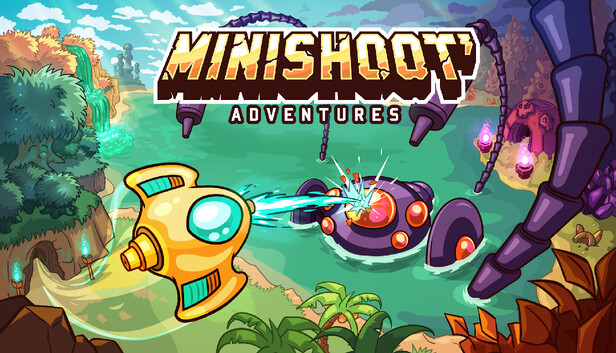
Minishoot’ Adventures review: exploration under fire
This Minishoot Adventures review finds a small ship leaving its village to free captured friends and confront corrupted machines. SoulGame Studio combines an.
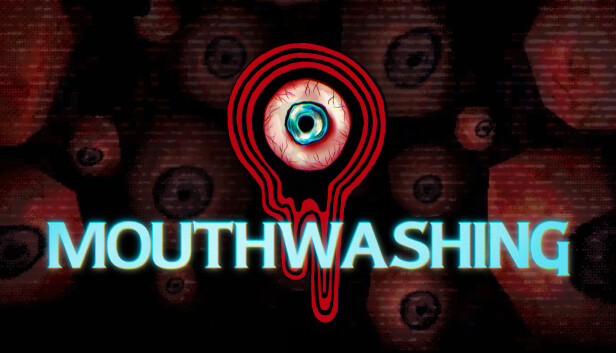
Mouthwashing review: horror after the crash
This Mouthwashing review enters the Tulpar after a crash leaves five crew members with dwindling supplies and no credible rescue. Wrong Organ shifts between.
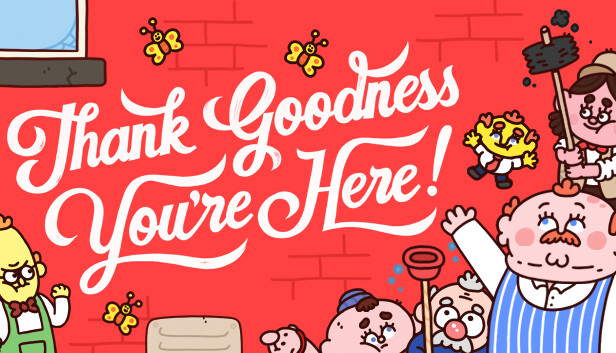
Thank Goodness You’re Here review: slapstick with purpose
This Thank Goodness You’re Here review follows a traveling salesman who arrives early for a mayoral appointment and becomes free labor for Barnsworth. Coal.
Community channel
Join the discussion
Start a thoughtful, specific conversation about this story.
Verified readers only
Continue with Google to comment.
Your Google account creates a reader-only Kaizensclan profile. Your first comment is reviewed before publication.