Abiotic Factor review: survival science works best together
Our Abiotic Factor review tests crafting, facility exploration, co-op roles, combat and survival logistics after nine hours with the complete PC release.

 8.5
8.5 Kaizensclan verdict
Our Abiotic Factor review tests crafting, facility exploration, co-op roles, combat and survival logistics after nine hours with the complete PC release.
Abiotic Factor understands that a research complex becomes more interesting after every safety system fails. Nine hours on PC reveal a co-op survival game built from improvised tools, locked sectors and scientists whose expertise becomes a practical team role. Inventory work and rough combat slow the experiment, but curiosity keeps reopening the facility.
The facility is both dungeon and workplace
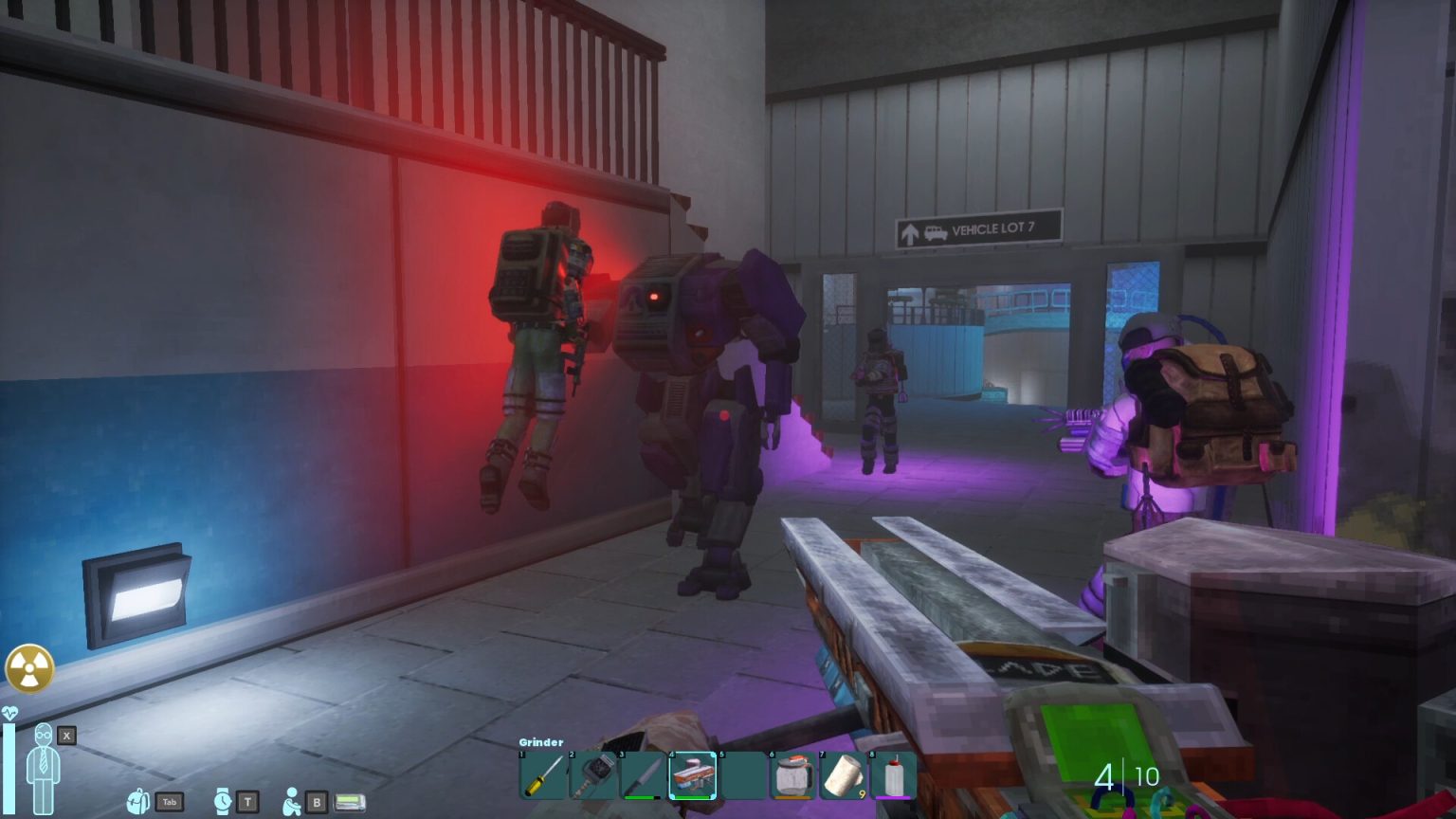
Offices, laboratories, maintenance routes and security doors make the complex feel designed before it became a survival map. Signs and access systems provide navigation clues, while damaged infrastructure suggests which tool or route may restore progress.
Exploration works because returning changes the question. A corridor that once held only danger may later become a supply line after the team gains armor, power access or a safer shortcut.
Crafting follows improvised logic
Scientists turn office equipment, scrap and laboratory materials into shelter, weapons and utilities. Recipes are strange but usually readable within the fiction: use what a trapped research team could plausibly reach, then improve it through specialization.
The pleasure comes from solving a need with an inelegant object. Crafting loses momentum when several almost-identical materials fill storage and the group spends more time sorting than planning.
Co-op creates real jobs
One player may organize food and storage while another scouts, builds defenses or develops equipment. These roles emerge from preference and skill choices rather than a rigid class queue. A good team shares discoveries so specialization does not become private knowledge.
Solo play remains possible, but every return trip, production chain and combat problem falls on one person. The nine-hour verdict is strongest for cooperative groups willing to divide responsibility.
Survival systems support expeditions
Hunger, fatigue, injury and contamination create preparation questions before a new sector. They are most effective when they change the loadout or route, not when they simply interrupt exploration with another meter.
Portable supplies and a planned retreat turn survival from punishment into logistics. Leaving one inventory slot open can matter more than carrying a third weapon when an expedition discovers a rare component.
Combat is dangerous without being elegant
Improvised melee weapons and ranged tools make hostile encounters costly. Positioning, traps and team focus are more reliable than expecting polished shooter feedback. Some hits feel unclear, and enemies can make confined spaces messy.
That roughness supports vulnerability up to a point. The game is stronger when the group wins through preparation than when an awkward animation or collision decides the exchange.
Atmosphere mixes bureaucracy and horror
Training posters, workplace furniture and scientific jargon remain visible beside breaches and impossible creatures. The ordinary setting gives every anomaly scale: a cafeteria is funny until it becomes the safest room available.
Sound carries threats through doors and ventilation spaces, encouraging the team to stop talking and listen. Comedy rarely removes tension because the facility’s routines continue after the people who maintained them are gone.
Technical state and monetization
The PC release supported the tested cooperative session without a save-blocking failure. Server conditions, host hardware and later sectors vary, so groups should verify current patch notes and backup expectations.
Abiotic Factor is a premium game. The central crafting and character progression are earned through play rather than paid boosts or randomized purchases.
What nine hours can establish
Nine hours cover an operational base, multiple facility routes, specialization and repeated expeditions. They do not exhaust the full complex, late crafting tiers or every enemy.
The score reflects the proven loop: prepare, enter a dangerous sector, recover knowledge and materials, then rebuild the plan. Inventory administration may grow heavier later, but the facility already provides compelling reasons to continue.
Session rhythm and decision load
Abiotic Factor works best when a session ends after a meaningful return, objective or discovery rather than at an arbitrary timer. The reviewed 9-hour window included short experiments and longer connected sessions, making it possible to judge immediate controls and the way several decisions accumulate.
The strongest rhythm alternates planning with execution. Menus and preparation matter because they change the next action, but they become friction when organization takes longer than the problem it should solve. That tension is already visible in the opening.
Onboarding and accessibility
The early hours introduce the central verbs before expecting efficient play. Tooltips and objective language explain immediate actions, while animation, color and sound carry part of the teaching. Players should still review the available text, input, subtitle and difficulty options against their own needs because this article cannot certify every accessibility requirement.
A useful tutorial permits a mistake and then shows why the result changed. Abiotic Factor generally creates that feedback through nearby retries or recoverable decisions, although the complexity of co-op survival crafting means some systems become clear only after they interact.
Difficulty, failure and recovery
Difficulty is most persuasive when failure identifies a decision: poor positioning, an incomplete loadout, wasted time or a misunderstood system. The reviewed opening usually provides that evidence instead of relying only on larger enemy numbers. Repetition is more productive when the player changes one assumption rather than rushing the identical attempt.
The listed weakness — inventory pressure becomes administrative — can make recovery feel slower than the best sections deserve. It does not erase the central loop, but it should shape expectations for players with limited session time or low tolerance for repeated administration.
Who should play it
Abiotic Factor is easiest to recommend to players who value facility exploration rewards preparation and crafting uses convincing improvised logic. Those qualities appear early enough that the recommendation does not depend on a late unlock or a promise that the game becomes interesting after many hours.
Players seeking a completely different genre rhythm should treat the score as audience-specific. A numerical verdict summarizes execution within the game’s goals; it does not mean every reader will enjoy those goals equally.
Replay value and longer-term questions
The opening supports another approach through alternative routes, priorities, builds or team decisions. Replay value will ultimately depend on whether later content changes the questions or simply expands the amount of the same answer. The short review window cannot settle that balance.
A completed campaign or substantially longer save could reveal pacing issues invisible during discovery. The score rewards proven mechanics and presentation while reserving judgment on exhaustive content, endgame optimization and every narrative outcome.
What updates can change
Patches may improve performance, adjust balance or reorganize interface friction after this review. They cannot be assumed to fix a problem until official notes and the live build confirm the change. Readers should compare the publication date with the current version before treating a technical observation as permanent.
The verdict remains anchored to design choices less likely to disappear: how the game communicates goals, how its systems connect and whether the first 9 hours create reasons to continue. Those are the qualities the score measures.
Verdict
Abiotic Factor is a smart cooperative survival game whose best resource is shared knowledge. Its facility makes progression spatial, its crafting fits the fiction and its scientists become useful through coordination. Bring organized friends and label the storage.
For another systems-focused verdict, read our Civilization VII review. Our Atomfall review offers a different approach to exploration and incomplete information.
Source: Abiotic Factor official Steam page; Deep Field Games / Playstack.
Editorial note
Hands-on review window recorded in the article metadata, supported by official documentation and public technical coverage.
This article was reviewed on August 7, 2026.

Related stories

Lost in Random The Eternal Die review: a sharper roll
Our Lost in Random The Eternal Die review tests seven hours of roguelite combat, dice powers, relic combinations and Queen Aleksandra’s escape. Read our.

Date Everything review: romance around the house
Our Date Everything review explores six hours of object romance, branching dialogue, voice performances and relationship outcomes inside one house. Read our.

MindsEye review: ambition under technical pressure
Our MindsEye review covers five hours of Jacob Diaz’s campaign, driving, third-person combat, mission scripting and technical performance. Read our verified.
Community channel
Join the discussion
Start a thoughtful, specific conversation about this story.
Verified readers only
Continue with Google to comment.
Your Google account creates a reader-only Kaizensclan profile. Your first comment is reviewed before publication.