Aim training transfer: connect the drill to a real duel
A higher drill score matters only when it changes the duel you selected.


Choose one match problem before opening an aim trainer: late micro-correction, weak first-bullet placement or losing accuracy while counter-strafing. Select a drill that isolates that action rather than chasing a general score.
Set a technical constraint
Run three short sets with one focus, such as smooth deceleration or returning to head height after every target. Stop when form degrades. Speed is an outcome, not the opening instruction.
Add game movement
Move into the game’s practice environment and repeat the same action with its real weapon timing and movement rules. Then play a short session while tagging only the chosen duel.
Measure transfer
Review five examples. Did the first correction become smaller? Did crosshair height survive movement? Keep the drill only if the match behaviour improves.
This loop prevents warm-up from becoming a separate competitive identity. The trainer is a controlled instrument for one game problem, not the final test.
Editorial note
General mechanical practice guidance.
- Kaizensclan Editorial Policy — editorial-policy.html
This article was reviewed on August 3, 2026.

Related stories
Path of Exile 2 Sorceress leveling guide for 0.5.4e
Path of Exile 2 Sorceress leveling is smoother when the character solves one damage loop before collecting every elemental skill. Patch 0.5.4e is the referenc.
Minecraft mace combat guide for Java 1.21.9
Minecraft mace combat turns vertical movement into damage. Java Edition 1.21.9 is the reference version. A smash attack requires striking while falling far.
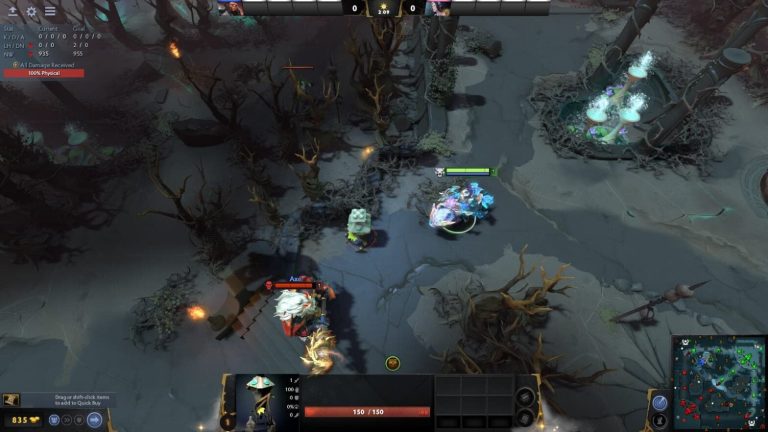
Dota 2 Watcher control guide for patch 7.41e
Dota 2 Watcher control is useful when it protects the next movement, not when a support activates every structure on cooldown. Patch 7.41e is the reference.
Community channel
Join the discussion
Start a thoughtful, specific conversation about this story.
Verified readers only
Continue with Google to comment.
Your Google account creates a reader-only Kaizensclan profile. Your first comment is reviewed before publication.