Event cosmetics work best when they remember the match
A lasting souvenir translates the structure of an event into material, motion and detail.

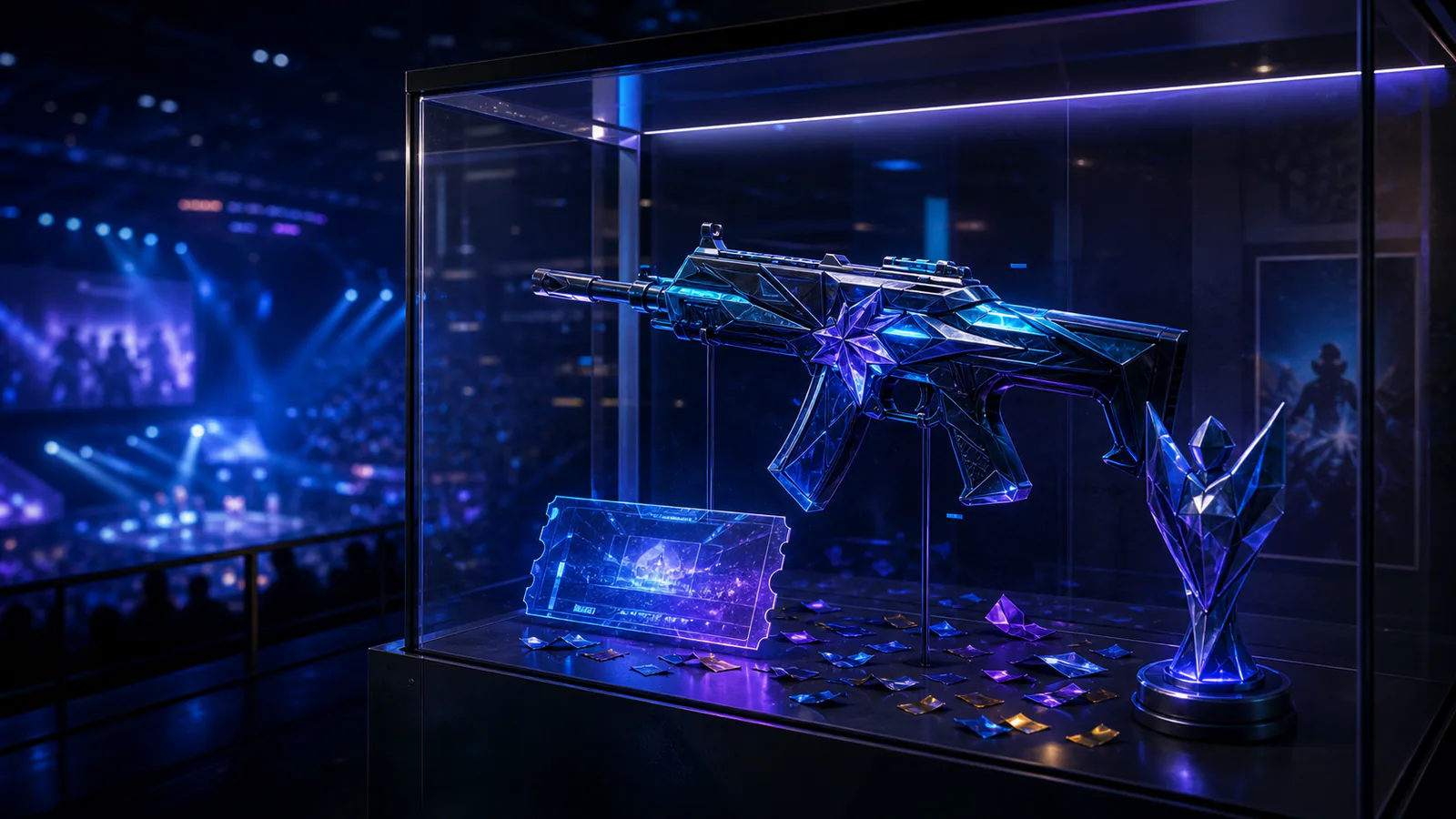
An esports event cosmetic can be a souvenir, a funding mechanism and a piece of visual identity at the same time. The weakest examples apply a tournament mark to an unrelated object. The strongest preserve a memory: the arena architecture, broadcast rhythm, map geometry or emotional turn that made the event distinct.
Start with a recognisable event grammar
Logos provide identification, but they rarely carry the whole atmosphere. Designers can translate stage lighting into edge colour, trophy geometry into a silhouette break or broadcast transitions into animation timing. These references remain meaningful even when the logo is small.
The grammar should be limited to two or three cues. Repeating every visual element from the event package produces merchandise rather than a coherent in-game object.
Leave room for a specific memory
A cosmetic released before competition cannot know the winning play, but its system can reserve space for history. A date plate, evolving charm, map marker or subtle champion variant can connect the item to what eventually happened. The update should remain legible without requiring a paragraph of explanation.
This is where provenance matters. The description should state what changed and why, using verified match information rather than fan mythology. Editorial context turns a small visual detail into a durable record.
Make celebration compatible with play
Event colour often favours bright stage palettes. In play, the same saturation can overwhelm weapon landmarks or interface effects. Use the hierarchy described in our muted-palette analysis: reserve the strongest event colour for a focal region and let neutral material carry the rest.
Animation deserves the same restraint. One ceremonial beat during inspect or reload can evoke a broadcast sting without repeating on every movement. The reload hierarchy guide explains how a single accent protects functional clarity.
Design for the year after the event
During the tournament, context supplies excitement. A year later, the cosmetic must still work as an object. Test it without the campaign name, promotional background or soundtrack. If silhouette, material and motion remain coherent, the memory enriches the design instead of holding it together.
Publishers should also make availability, revenue sharing and later variants clear. Artificial urgency can drive a launch while weakening trust in the souvenir. A good event cosmetic does not merely prove that a player was present. It gives the match a small, readable place to live after the stage goes dark.
Editorial note
Original visual-culture analysis; commercial terms require verification for each event.
- Kaizensclan Editorial Policy — editorial-policy.html
This article was reviewed on July 31, 2026.

Related stories
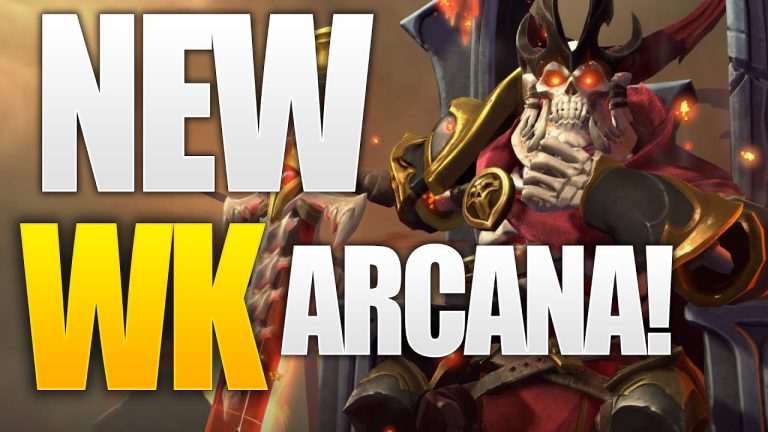
The One True King: Wraith King’s Arcana restores a throne
Valve released The One True King Wraith King Arcana through the 2020 Battle Pass at level 375. The cosmetic restores a skeletal king identity and rebuilds the.
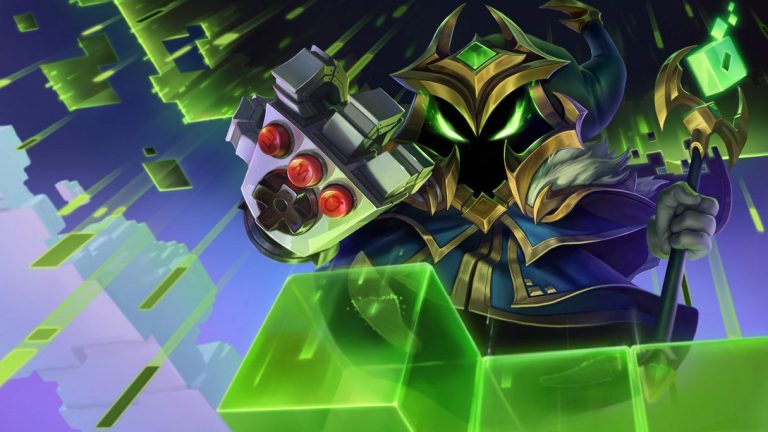
Final Boss Veigar: an arcade villain with readable spells
Final Boss Veigar is a Legendary League of Legends skin built around the fantasy of a video-game end boss. Arcade colors, pixel motifs and a more theatrical.
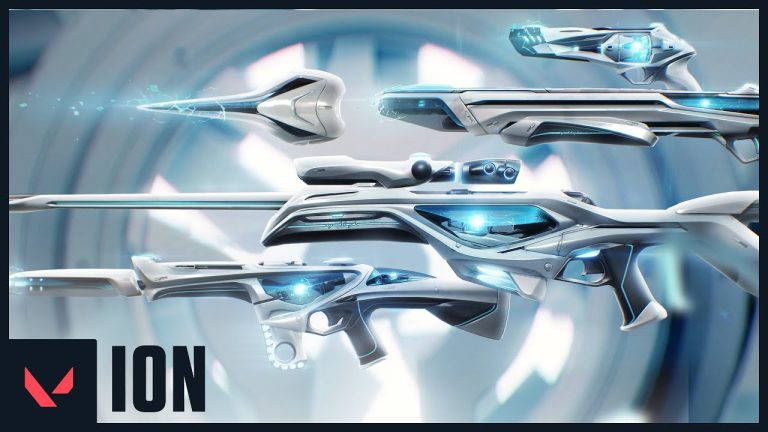
VALORANT Ion: clean science fiction built around energy
Riot revealed the original VALORANT Ion skin line in November 2020. Its white shells, dark joints and blue energy cores present a clean science-fiction weapon.
Community channel
Join the discussion
Start a thoughtful, specific conversation about this story.
Verified readers only
Continue with Google to comment.
Your Google account creates a reader-only Kaizensclan profile. Your first comment is reviewed before publication.