HLX and Half-Life 3: every credible clue explained
HLX and Half-Life 3 evidence explained: Source 2 datamines, Valve comments, insider claims and every major uncertainty still surrounding the rumored project.

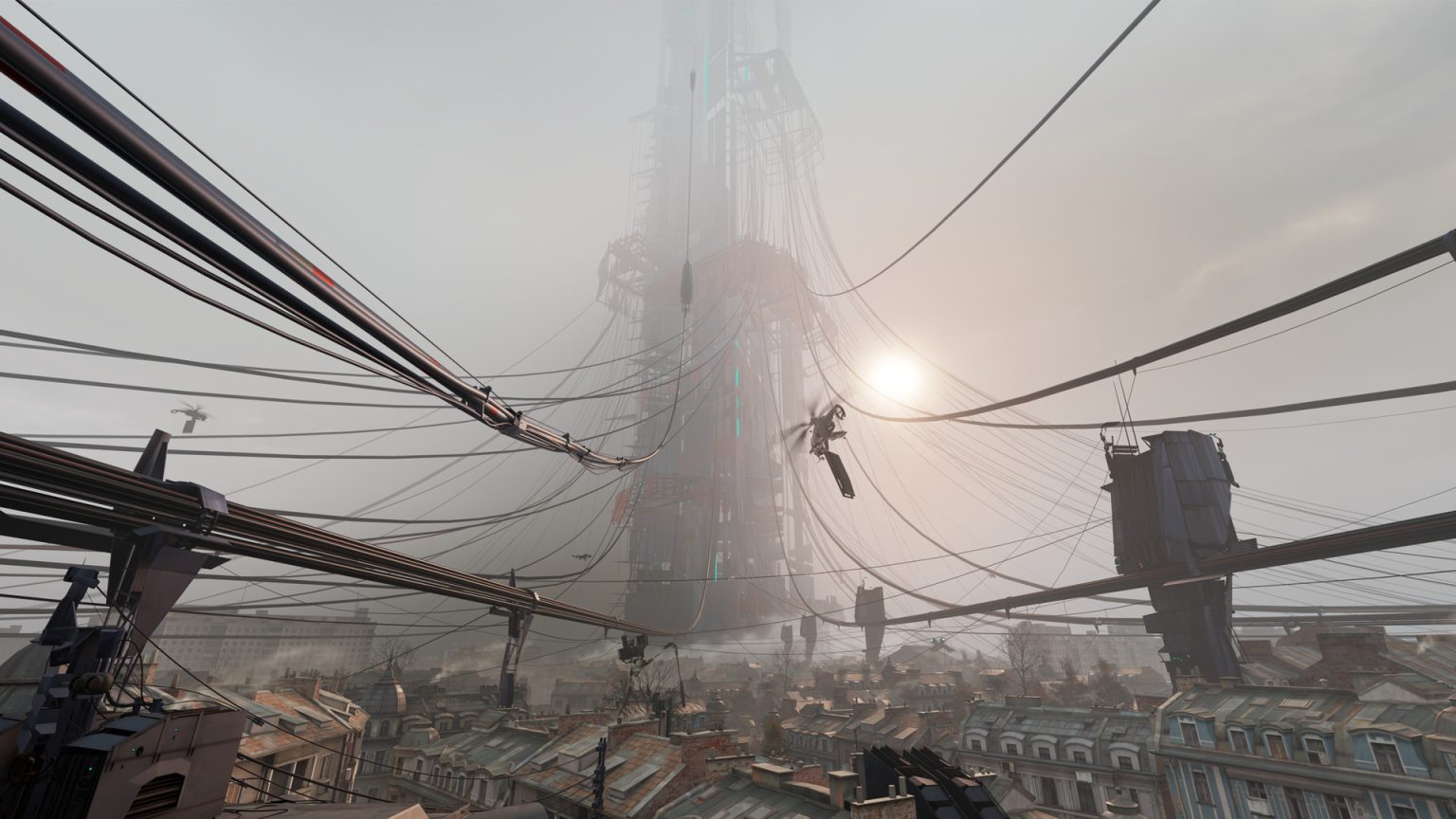
As of August 18, 2026, Valve has not announced Half-Life 3, confirmed that a project called HLX is a Half-Life game, released footage or provided a launch date. The evidence is stronger than a random social-media rumor, but it remains a chain of datamining, outside reporting and carefully limited comments rather than an official reveal.
HLX and Half-Life 3: what Valve has confirmed
Valve’s last released Half-Life game remains Half-Life: Alyx. Its ending deliberately reopened the series, but that is not a promise of a numbered sequel. Valve has no public HLX product page, trailer, platform list or release schedule. The featured image above is an official Alyx screenshot used for franchise context; it is not an image from HLX.
Why dataminers connect HLX to Half-Life
References labelled HLX have repeatedly appeared in shared Source 2 code shipped through games such as Dota 2 and Counter-Strike 2. Community documentation attributes those traces to systems involving an HEV suit, Xen-related creatures, Combine elements, physics-heavy interaction, damage responses and possible off-world spaces. A removed actor résumé also listed a Valve production called Project White Sands, a name fans connected to Black Mesa’s New Mexico setting. These clues make a non-VR Half-Life project a reasonable interpretation, but shared engine code cannot establish a final title, story or release plan.
The 2026 hints and their limits
A June Dota 2 update contained a joking variable asking why people were reading Valve’s variable names. Dataminer Gabe Follower highlighted it, while reporting connected the joke to continuing HLX scrutiny. In July, retiring Valve engineer Christopher Green answered an HLX question with “I think you know the answer to that,” then clarified that he would not discuss projects that may or may not exist. That exchange demonstrates Valve’s secrecy, not confirmation of Half-Life 3.
Tyler McVicker and other Valve watchers have separately claimed that development received more time, that staff returned to the project, or that it was approaching a late production phase. Those claims conflict with earlier predictions that an announcement was imminent or tied to new Steam hardware. None can be independently verified from Valve’s public record.
What remains rumor
The name Half-Life 3, Gordon Freeman’s role, a conventional monitor-based format, mod support, specific enemies, a Steam Machine bundle and every proposed 2026 release window remain unconfirmed. Datamined identifiers can represent prototypes, abandoned work, reusable engine features or content that changes before launch. Valve’s history of cancelling and restructuring projects is another reason not to convert active code into a release promise.
Our verdict on HLX
HLX is best described as credible evidence of an internal Valve project with strong Half-Life associations. Calling it a confirmed Half-Life 3 is still one step beyond the evidence. The sensible position is to watch for a Valve-owned store page, trailer or press release and treat every date before that as speculation.
Sources: Valve’s official Half-Life: Alyx page; community HLX datamine archive; GameSpot’s White Sands report; June 2026 reporting on the Source 2 variable; and Christopher Green’s direct clarification.
Continue with the Kaizensclan archive, our practical guides and the latest game reviews.
Editorial note
Facts and mechanics were checked against the linked primary sources before publication.
- https://store.steampowered.com/app/546560/
- https://valvearchive.com/Community/Documentation/HLXHL3Bulletpoints-Whatweknowsofar/2025-11-18/CopyofHLX_HL3Bulletpoints-Whatweknowsofar.pdf
- https://www.gamespot.com/articles/dataminer-thinks-half-life-3-is-in-development-after-resume-leak/1100-6525527/
- https://frvr.com/blog/valve-taunts-dataminers-looking-for-half-life-3-details-as-insiders-claim-the-project-has-been-given-extra-development-time/
- https://www.reddit.com/r/valve/comments/1uwx9q0/comment/oxpe3fe/
This article was reviewed on August 18, 2026.

Related stories
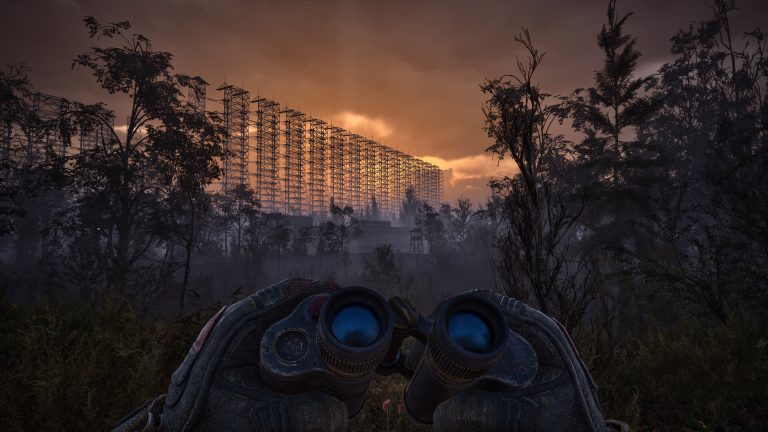
STALKER 2 patch 2.0.2 fixes disappearing quest NPCs
STALKER 2 patch 2.0.2 fixes disappearing quest NPCs. GSC Game World addresses a progression blocker and warns that installed mods may cause stability…
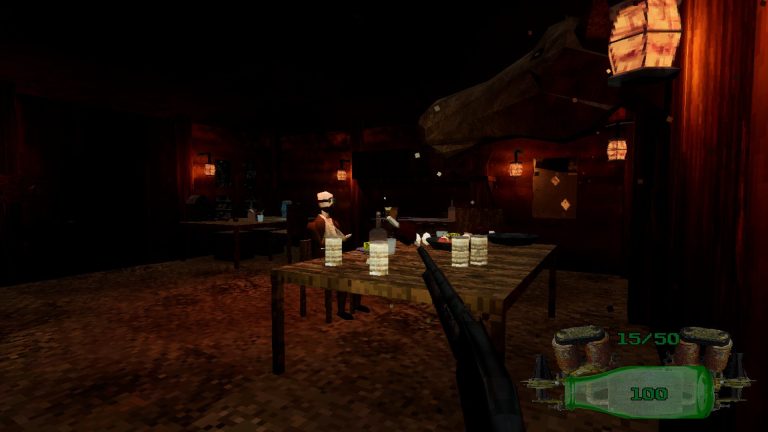
The Down Below opens four underground horror levels
The Down Below opens four underground horror levels. lowpolyenjoyer combines a lever-action shotgun, nine enemy types, 30 interactive items, physics props…
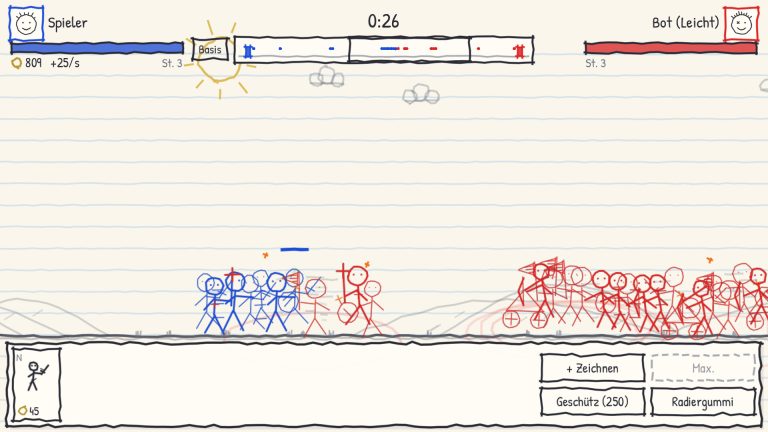
Kritzel Krieg makes every drawn pixel a combat stat
Kritzel Krieg makes every drawn pixel a combat stat. Heftrand Games links unit size to cost and strength across eight classes, base floors, special tools…
Community channel
Join the discussion
Start a thoughtful, specific conversation about this story.
Verified readers only
Continue with Google to comment.
Your Google account creates a reader-only Kaizensclan profile. Your first comment is reviewed before publication.